適切なLiFePO4バッテリーの選択にお困りですか?
用途、電圧、容量、バッテリーサイズ、数量、ブランディングのニーズをお知らせください。BYingPowerがお客様のプロジェクトを検討し、ゴルフカート、RV、海洋システム、ソーラー貯蔵、フォークリフト、または鉛酸の代替に適したLiFePO4バッテリーソリューションを提案します。.

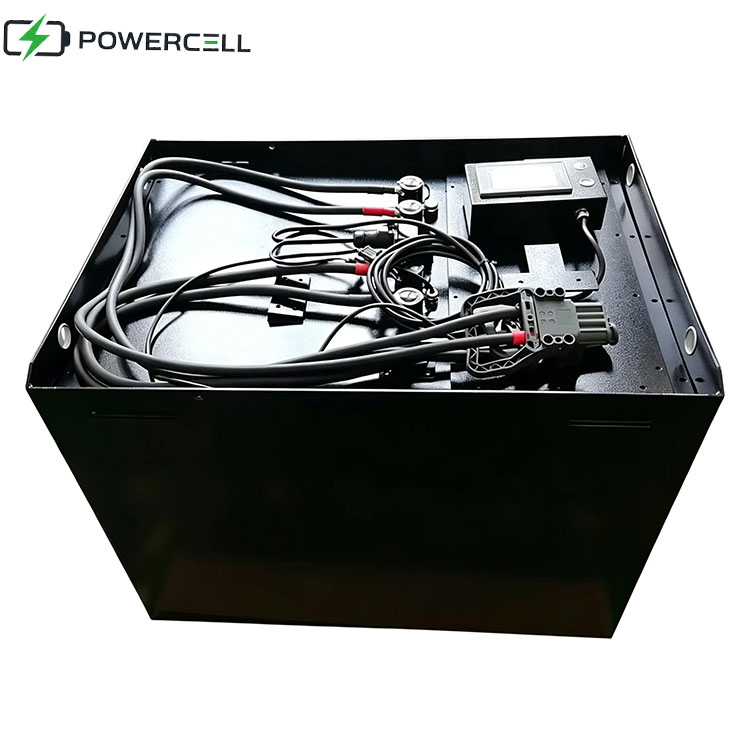
リチウムイオン製ゴルフカート用バッテリーは初期費用は高くなりますが、購入価格だけではフリート管理者にとってほとんど参考になりません。このガイドでは、メンテナンスコストの削減、交換頻度の減少、ダウンタイムの短縮、充電効率の向上、および耐用年数の延長から得られる真の投資対効果を算出する方法をご紹介します。.
まずは現金から始めましょう。.
ゴルフカートの車両群のリチウムイオン電池への切り替えは、リチウムイオン電池が軽量である、最新技術である、あるいは販売が容易であるという理由だけで承認されるべきではありません。その切り替えが、鉛蓄電池の購入、維持管理、充電、交換を継続する場合よりも優れた財務的成果をもたらすことが数値によって示された場合にのみ、承認されるべきです。.
では、実際に重要な数字とは何でしょうか?
単にバッテリーの価格だけではありません。単にサイクル寿命だけではありません。そして、リチウム電池が「元が取れる」というサプライヤーの主張など、もちろんあり得ません。“
実際の試算には、バッテリーの設置費用、充電器の交換費用、メンテナンス人件費、交換頻度、電力消費量、車両の稼働停止時間、資金調達費用、廃棄費用、および分析期間終了時点でのバッテリーの残存寿命に応じた価値を含める必要があります。.
率直に言いますと、人件費やダウンタイムを算入していないリチウムイオンゴルフカート用バッテリーのROI計算書は信用できません。この2つの要素こそが、プロジェクトの成否を左右することが多いのです。.
最もよくある間違いは、鉛蓄電池1セットとリチウムイオン電池パック1つを比較してしまうことです。.
それは公平な比較とは言えません。.
フリート運営会社は、単に2つの独立した製品を購入しているわけではありません。運営会社は、5年、6年、あるいは8年という期間にわたって異なるコストが発生する2つのオペレーティングシステムの中から選択しているのです。.
液漏れした鉛蓄電池システムでは、以下の処置が必要になる場合があります:
化学式 LiFePO₄ で表されるリン酸鉄リチウム(LiFePO₄)を基盤とする LiFePO₄ システムでは、その作業の多くがバッテリー管理システム(BMS)に移管されます。メンテナンスがなくなるわけではありませんが、作業内容は、日常的な液体の管理や腐食対策から、接続の確認、ファームウェアや Bluetooth による診断、充電器の検証、そして時折行われる故障調査へと変化します。.
その違いは重要です。.
コアスパークの ゴルフカート用リチウム電池の航続距離 36V、48V、51.2V、72V、および76.8Vの構成が含まれます。 しかし、電圧やアンペア時容量はあくまで出発点に過ぎません。フリート管理者は、ピーク電流、連続電流、充電器の出力、筐体のサイズ、コネクタの配置、動作温度、保証条件、および文書化されたサイクル寿命条件についても把握する必要があります。.
例えば、CoreSpark 76.8Vの製品ページの一つには、LiFePO4系電池、パック重量46.5キログラム、および公称サイクル寿命4,000サイクルが記載されています。 この数値は、購入者が放電深度、温度、充電率、寿命終了時の容量閾値、および保証条件を確認した後にのみ、当該モデルに適用されるものです。.
テスト条件を伴わないサイクル数は、財務ではなくマーケティングの範疇である。.
リチウムに関する提案から始めるのはやめましょう。.
まずは、車両群の現在のコストから分析を始めましょう。少なくとも12か月分の整備記録、光熱費データ、バッテリー購入履歴、作業指示書、および車両利用情報を収集してください。ゴルフ場の運営は季節変動があるため、1年分のデータだけでは偏りが生じる可能性があるため、2年分のデータを収集するのが望ましいです。.
各車両について、以下の情報を収集してください:
記憶だけを頼りに保守時間を推測してはいけません。.
技術者に4~8週間、その状況を記録してもらってください。10分間のバッテリー作業は、繁忙期に60台のカートで月に数回繰り返されるとなると、一見大したことないように思えますが、実際には大きな負担となります。.
| 費用区分 | 浸水した鉛蓄電池車両群 | LiFePO4リチウム電池搭載車両 | 測定対象 |
|---|---|---|---|
| バッテリーの初期費用 | 下へ | より高い | 配送・設置費用 |
| 充電器の変換 | 通常はなし | 必要となる場合があります | 充電器、ケーブル、プログラミング、および作業費 |
| バッテリー交換の通常作業 | より高い | 下へ | 技術者の作業時間 × 適用人件単価 |
| 交換頻度 | より頻繁に | 適切なサイズを選べば、発生頻度は低くなります | カタログ上の寿命ではなく、実際の耐用年数 |
| 電力使用量 | 通常は高い | 通常は低い | カート1台あたりのウォールメーター表示値(kWh) |
| ダウンタイム | 水やり量の増加と弱セル現象の増加 | BMSまたは互換性に関する事象が発生する可能性があります | 利用不可の時間 × 1時間あたりの金額 |
| 廃棄またはリサイクル | 確立されたコア単位制度 | 地域や供給業者によって異なります | 運搬料、クレジット、および書類 |
| 残存価値 | 通常は限定されています | 予想残存耐用年数 | 分析終了時点での残存容量 |
また、ここが選定プロセスの始まりでもあります。従来の48V車両群については、以下の基準に基づいて評価される可能性があります。 48Vリチウムイオンゴルフカート用バッテリー, 一方、16セルのLiFePO4システムは、通常、公称電圧51.2Vで販売されています。CoreSparkは、これとは別の製品ラインアップを展開しており、 51.2V LiFePO4 ゴルフカート用バッテリー その構成については。.
48Vと51.2Vが自動的に互換性があるとは考えないでください。コントローラーの制限、充電器の電圧、ソレノイド、DC-DCコンバータ、回生ブレーキ、充電状態計、および車載アクセサリーをすべて確認する必要があります。.
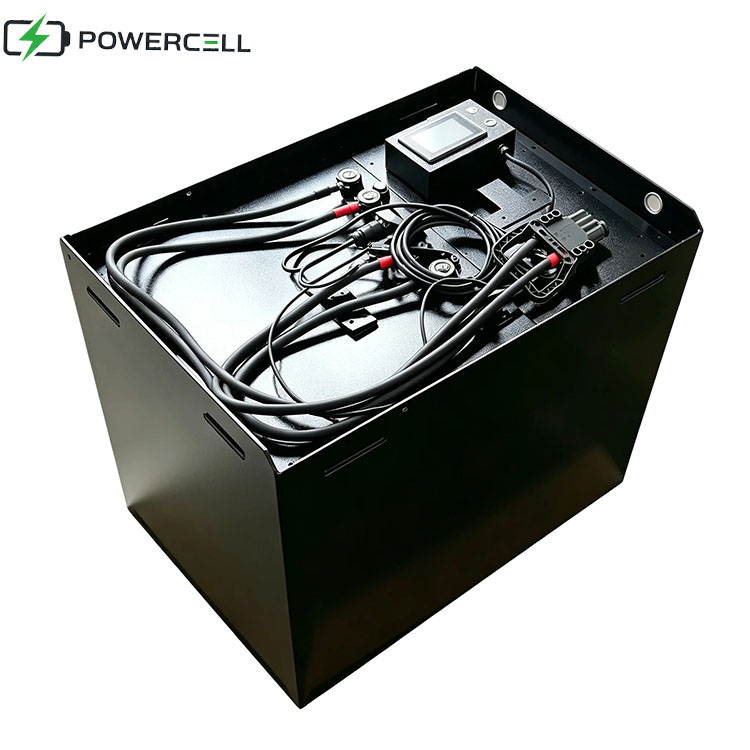
有用な計算には、総所有コスト、プロジェクトのROI、および投資回収期間の3つがあります。.
両方のバッテリーシステムについて、同じ分析期間を使用してください。.
鉛蓄電池の総所有コスト(TCO)= 初期バッテリー費用 + 交換用バッテリー費用 + メンテナンス人件費 + 電力費 + 修理費 + ダウンタイムコスト + 廃棄処理費 - 中古バッテリーの買取額
リチウムTCO=リチウム電池パックのコスト+充電器および設置費用+メンテナンス費用+電気代+修理費+稼働停止時間+廃棄費用-残存価値
分析期間は、少なくとも1回の鉛蓄電池の交換が見込まれる期間をカバーできるだけの十分な長さであるべきです。交換が4年目に発生する場合、3年間のモデルでは鉛蓄電池が不当に有利に評価されてしまう可能性があります。また、想定されるバッテリーパックが当該車両群の運用条件下で実証されていない場合、10年間のモデルではリチウムイオン電池が不当に有利に評価されてしまう可能性があります。.
ほとんどのゴルフカート・フリートにとって、導入の目安としては5~7年落ちのモデルが現実的です。.
この式を使う:
ROI = (総経済的便益 − 追加転換コスト) ÷ 追加転換コスト × 100
車両群ですでに新しいバッテリーが必要となっている場合、追加の変換コストはリチウムの購入価格の全額ではありません。.
これは、リチウムプロジェクトと、そうでなければ購入することになる鉛酸電池の代替品との違いである。.
例えば:
その$1,800のプレミアムこそが、検証の対象となっている投資です。.
Use:
Payback period = incremental conversion cost ÷ annual recurring savings
This formula works when savings are relatively even. Golf cart battery projects are rarely that neat because a large avoided lead-acid replacement may occur in year three or four.
For that reason, build a year-by-year cash-flow schedule. The project pays back when cumulative cash flow turns positive.
A professional fleet proposal should also calculate net present value, or NPV.
NPV = present value of future savings − incremental investment
Discounting matters because $50,000 saved five years from now is worth less than $50,000 saved today. A business may use an 8%, 10%, or 12% discount rate depending on its cost of capital and approval rules.
Hard truth: a project with a positive undiscounted ROI can still be a poor capital decision when the savings arrive too late.
Consider a 40-cart, 48V fleet operating 260 days per year.
The following numbers are illustrative. They are not market quotations and should be replaced with actual supplier, labor, utility, and maintenance data.
| Input | Lead-acid | LiFePO4 |
|---|---|---|
| Installed battery cost per cart | $1,400 | $3,200 |
| Battery replacements within six years | 2 sets | 1 pack |
| Maintenance cost per cart per year | $300 | $60 |
| Electricity use per cart per year | 950 kWh | 780 kWh |
| Electricity price | $0.16/kWh | $0.16/kWh |
| Downtime per cart per year | 4 hours | 1 hour |
| Value of downtime | $45/hour | $45/hour |
| Analysis period | 6 years | 6 years |
The lithium installed price includes the battery, charger changes, cables, mounting hardware, commissioning, and technician labor.
| Six-year cost | Lead-acid fleet | Lithium fleet |
|---|---|---|
| Battery capital cost | $112,000 | $128,000 |
| 定期点検 | $72,000 | $14,400 |
| Electricity | $36,480 | $29,952 |
| ダウンタイム | $43,200 | $10,800 |
| Total six-year cost | $263,680 | $183,152 |
The modeled six-year savings are:
$263,680 − $183,152 = $80,528
At the scheduled replacement date, the lithium premium is:
($3,200 − $1,400) × 40 carts = $72,000
The gross financial benefits include:
Project ROI is therefore:
($152,528 − $72,000) ÷ $72,000 × 100 = 111.8%
Using an 8% discount rate, the approximate six-year NPV of the incremental project is $46,827.
The project reaches payback during year three in this model, largely because the fleet avoids another $56,000 lead-acid purchase.
Notice what did not drive the result.
Electricity.
The six-year energy saving was only $6,528, or about 8% of the total net saving. Maintenance, downtime, and avoided replacement carried the business case.
That pattern is common. Sellers like to lead with charging efficiency because it sounds technical. Fleet operators should lead with labor records and vehicle availability because those figures usually move more money.
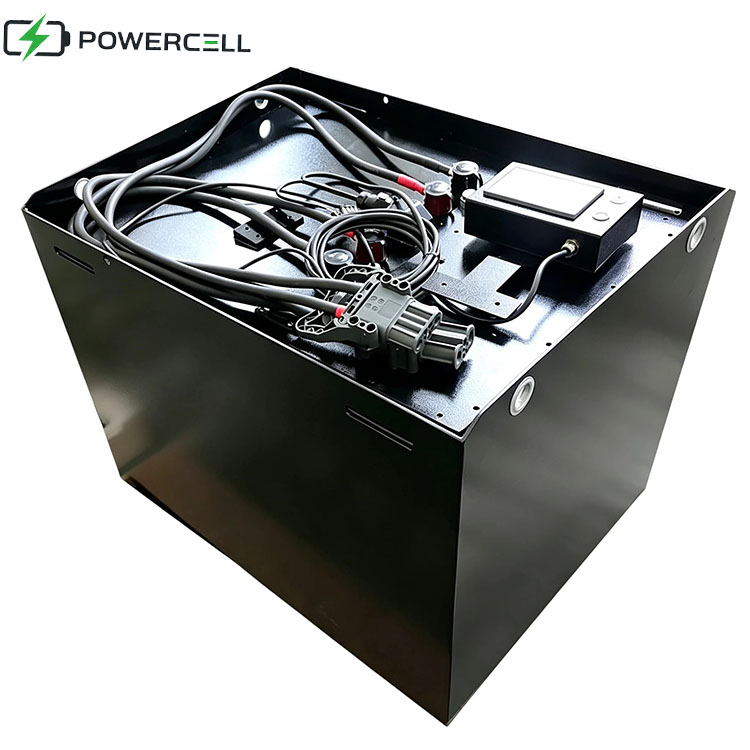
Battery prices have fallen sharply, but national battery-price statistics are not the same as delivered golf cart battery quotes.
The U.S. Department of Energy reported that estimated light-duty-vehicle lithium-ion pack costs fell 90% between 2008 and 2023, from $1,415/kWh to $139/kWh in constant 2023 dollars. The estimate assumes production at a scale of at least 100,000 units per year, so it should be treated as evidence of the manufacturing trend—not as the retail price of a custom golf cart pack. Read the DOE battery cost report.
BloombergNEF reported in December 2025 that average lithium-ion pack prices reached $108/kWh, while average LFP packs across surveyed segments reached $81/kWh. North American pack prices were still 44% higher than Chinese prices, reflecting regional production costs and import dependence. Again, these are market benchmarks, not installed golf-cart fleet prices. Review the BloombergNEF 2025 battery price survey.
Reuters also reported that weighted-average LFP cell prices fell to $59/kWh in September 2024. That number covers cells, not a complete battery with a BMS, enclosure, busbars, charger, connectors, shipping, certification, warranty reserve, dealer margin, and installation. Anyone inserting $59/kWh directly into a golf cart fleet proposal is building fiction, not a budget. See the Reuters battery cell price report.
A smaller amp-hour rating may still provide comparable usable energy because lithium can generally operate across a wider state-of-charge range. But that does not mean every lower-capacity pack is suitable.
Calculate usable energy:
Usable kWh = nominal voltage × amp-hours × permitted depth of discharge ÷ 1,000
Then test the cart under its worst route:
One pretty test drive proves very little.
Continuous-current ratings sell batteries. Peak-current behavior keeps carts moving.
A golf cart can demand high current during acceleration, hill climbing, towing, or carrying four to six passengers. If the BMS protection threshold is too low, the battery may disconnect even though it has plenty of stored energy.
Ask for:
A lead-acid charger should not be assumed safe or suitable for LiFePO4.
The proposal must state whether the existing charger can be reprogrammed, replaced, or retained. It should also include connector conversion, onboard charger removal, AC circuit work, and staff training.
コアスパークの OEM/ODM lithium battery services cover BMS selection, terminal layout, connectors, charger matching, casing, documentation, and pack testing. Those details belong in the commercial quote because each one can affect installation cost and fleet compatibility.
A cart that cannot be rented, assigned to security, used by maintenance, or dispatched for guests is not free simply because no repair invoice was created.
Use:
Downtime cost = unavailable hours × contribution margin or replacement-resource cost
For a golf course, the right figure may be lost rental revenue or the cost of maintaining spare carts. For a resort, airport, campus, factory, or gated community, it may be overtime, delayed service, or a rental vehicle.
Pick a defensible number. Then document it.
Yale University provides a useful operating example, although it is broader than golf carts alone. Its battery-powered grounds fleet grew to more than 160 tools and vehicles, including golf cart-style electric vehicles. Yale reported that newer lithium technology increased runtime from roughly 20 minutes to more than four hours and that electric equipment had sharply reduced maintenance costs. Read Yale’s fleet transition case study.
Lead-acid recycling is mature and financially organized.
The U.S. Environmental Protection Agency states that approximately 99% of lead-acid batteries are recycled annually in the United States. It also notes that state programs commonly use refundable core charges ranging from $5 to $20, while commercial fleet arrangements may use separately negotiated credits. Review the EPA lead-acid collection case study.
Include every recycling credit in the lead-acid scenario.
And require the lithium supplier to explain its end-of-life process. “Recyclable” is not the same as “a recycler near us will accept this pack at a known cost.”
CoreSpark also maintains a category for lead-acid replacement battery systems, which can help buyers compare replacement configurations while retaining the broader cost discussion around fit, charging, maintenance, and disposal.
A single ROI result gives management false confidence.
Build at least three scenarios.
Use:
If the project still produces a positive NPV, the proposal is strong.
Use the most supportable operating assumptions from fleet records, supplier warranties, utility bills, and technician time studies.
Do not use the sales team’s “typical” figures unless they are backed by written operating conditions.
Use:
This scenario often applies to resorts, airports, factories, security fleets, campuses, and commercial golf operations where carts run several shifts.
Before selecting the best lithium batteries for a golf cart fleet, require written answers to these questions:
A low purchase price backed by vague answers is not a saving. It is deferred risk.
For custom fleets, ask the supplier to model voltage, capacity, enclosure dimensions, BMS current, charger specifications, connectors, quantity, duty cycle, and branding as one engineered system. CoreSpark’s battery project quote page accepts those details for technical review and OEM or bulk pricing.
ROI for a lithium golf cart fleet is the percentage return created by avoided battery replacements, lower maintenance labor, reduced charging losses, and less downtime after subtracting the conversion premium, charger work, installation, financing, and disposal costs across a fixed analysis period.
Use the incremental lithium premium as the investment, not necessarily the battery’s full purchase price. Then divide the project’s net financial benefit by that premium and multiply by 100.
A lithium battery payback period is the time required for cumulative maintenance, energy, replacement, and downtime savings to recover the extra cost of choosing lithium instead of the lead-acid replacement the fleet would otherwise purchase.
There is no honest universal answer. A high-use commercial fleet may recover its premium in two to four years, while a lightly used private fleet may take much longer or fail to reach payback within the selected analysis period.
Lithium golf cart batteries can reduce electricity costs when their charging system wastes less energy and the fleet avoids repeated equalization or inefficient charging, but the saving must be confirmed with wall-meter measurements taken under comparable routes, loads, temperatures, and charging conditions.
Energy savings are often smaller than maintenance and replacement savings. Install temporary kWh meters on representative chargers before conversion, then compare the same carts after the lithium installation.
Downtime is the financial value of the hours a cart cannot perform its intended work, including lost rental revenue, delayed transport, spare-cart requirements, employee waiting time, outsourced vehicles, and service disruption caused by battery maintenance, charging, diagnosis, or failure.
Use a documented hourly value rather than an inflated guess. Even a conservative figure can materially change lithium golf cart battery ROI across a large or heavily used fleet.
The best lithium batteries for golf cart fleets are packs correctly matched to cart voltage, motor-controller demand, peak current, route length, passenger load, charger profile, regenerative braking, temperature range, enclosure space, service support, warranty terms, and required operating life.
Brand name alone is not enough. Compare usable kWh, BMS limits, cell traceability, test documentation, installation hardware, regional support, warranty freight terms, and expected capacity at the end of the analysis period.
An immediate golf cart fleet lithium conversion is financially justified when the existing batteries are near replacement, the lithium system has been validated on representative carts, and conservative cash-flow modeling produces an acceptable payback period and positive NPV after all installation and operating costs.
Replacing healthy lead-acid batteries early can weaken ROI. In many fleets, the better approach is a phased conversion aligned with scheduled battery replacements, beginning with the highest-use vehicles.
Do not ask a supplier for “the price of a 48V lithium battery.”
Send the real operating profile:
Then request a complete installed proposal covering batteries, chargers, mounting, cables, BMS specifications, transport documents, warranty handling, replacement availability, and end-of-life support.
Run the conservative case first.
If the lithium golf cart battery ROI still works after the optimistic assumptions have been removed, the fleet is not buying a trend. It is making a measurable capital investment.