적합한 LiFePO4 배터리를 선택하는 데 도움이 필요하신가요?
용도, 전압, 용량, 배터리 크기, 수량, 브랜딩 요구 사항을 보내주세요. BYingPower가 프로젝트를 검토하여 골프 카트, RV, 해양 시스템, 태양열 저장, 지게차 또는 납산 교체에 적합한 LiFePO4 배터리 솔루션을 추천해 드립니다.

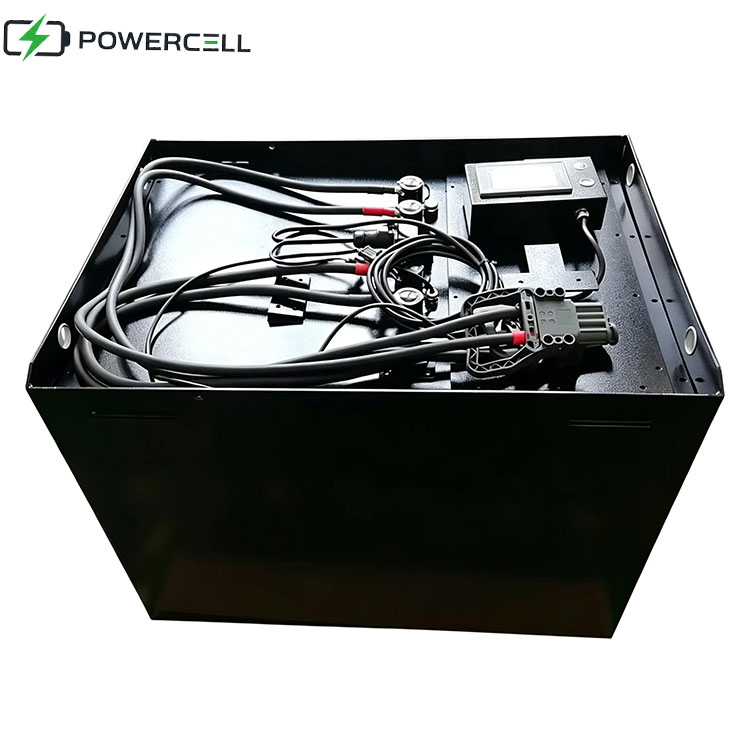
리튬 골프 카트 배터리는 초기 비용이 더 들지만, 구매 가격만으로는 차량 관리 담당자가 알 수 있는 정보가 거의 없습니다. 이 가이드에서는 유지보수 비용 절감, 교체 횟수 감소, 가동 중단 시간 단축, 충전 효율 향상, 그리고 수명 연장을 통해 얻을 수 있는 실질적인 수익을 계산하는 방법을 안내합니다.
현금으로 시작하세요.
골프 카트 차량을 리튬 배터리로 전환하는 계획은 리튬 배터리가 더 가볍거나, 최신 기술이거나, 마케팅하기 쉽다는 이유만으로 승인되어서는 안 되며, 납산 배터리를 계속 구매·유지보수·충전·교체하는 것보다 전환을 통해 더 나은 재무적 성과를 낼 것이라는 수치가 입증될 때에만 승인되어야 한다.
그렇다면, 실제로 중요한 수치는 무엇일까요?
단순히 배터리 가격만으로는 아닙니다. 단순히 수명만으로도 아닙니다. 그리고 리튬 배터리가 “투자 비용을 회수해 준다”는 공급업체의 주장 따위는 더더욱 아닙니다.”
실제 계산에는 장착된 배터리 비용, 충전기 교체 비용, 유지보수 인건비, 교체 주기, 전력 소비량, 차량 가동 중단 시간, 금융 비용, 폐차 처리 비용, 그리고 분석 기간 종료 시점에 남아 있는 배터리 수명의 가치가 반드시 포함되어야 합니다.
솔직히 말해서, 인건비와 가동 중단 시간을 제외시킨 리튬 골프 카트 배터리 투자 수익률(ROI) 산출표는 믿을 수 없습니다. 이 두 가지 요소가 프로젝트의 성패를 좌우하는 경우가 많기 때문입니다.
가장 흔한 실수는 납산 배터리 한 세트와 리튬 배터리 팩 하나를 비교하는 것입니다.
그건 공정한 비교가 아닙니다.
선단 운영사는 단순히 서로 별개의 두 제품을 구매하는 것이 아닙니다. 운영사는 향후 5년, 6년, 혹은 8년에 걸쳐 서로 다른 비용을 발생시키는 두 운영 체제 중에서 하나를 선택하는 것입니다.
물이 유입된 납산 배터리의 경우 다음 조치가 필요할 수 있습니다:
화학식이 LiFePO₄인 인산철리튬(LiFePO₄)을 기반으로 하는 LiFePO₄ 시스템은 이러한 작업의 상당 부분을 배터리 관리 시스템(BMS)으로 이전합니다. 유지보수가 완전히 사라지는 것은 아니지만, 작업 내용은 일상적인 액체 관리 및 부식 관리에서 연결 상태 점검, 펌웨어 또는 블루투스 진단, 충전기 확인, 그리고 때때로 발생하는 오류 조사 등으로 변화합니다.
그 차이는 중요합니다.
코어스파크의 골프 카트 리튬 배터리 주행 거리 36V, 48V, 51.2V, 72V 및 76.8V 구성을 포함합니다. 하지만 전압과 암페어시(Ah) 용량은 단지 출발점에 불과합니다. 차량 관리자는 또한 피크 전류, 연속 전류, 충전기 출력, 인클로저 크기, 커넥터 배치, 작동 온도, 보증 조건 및 문서화된 사이클 수명 조건 등도 고려해야 합니다.
예를 들어, CoreSpark 76.8V 제품 페이지 중 하나에는 LiFePO4 화학 성분, 46.5kg의 팩 무게, 그리고 4,000회라는 명시된 사이클 수명이 기재되어 있습니다. 이 수치는 구매자가 방전 깊이, 온도, 충전 속도, 수명 종료 시 용량 기준치 및 관련 보증 조건을 확인한 후에야 해당 모델에 적용될 수 있습니다.
테스트 조건이 없는 사이클 수는 재무가 아니라 마케팅에 해당합니다.
리튬 관련 제안부터 시작하지 마십시오.
먼저 차량 함대의 기존 비용부터 파악하십시오. 최소 12개월 치의 정비 기록, 공과금 데이터, 배터리 구매 내역, 작업 지시서 및 차량 사용 정보를 수집하십시오. 골프장 운영은 계절적 변동이 크기 때문에 1년 치 자료만으로는 정확한 분석이 어려울 수 있으므로, 2년 치 자료를 확보하는 것이 더 좋습니다.
각 차량에 대해 다음 정보를 수집하십시오:
기억에 의존해 유지보수 시간을 추산하지 마십시오.
기술자들이 4~8주 동안 이를 기록하도록 하십시오. 10분짜리 배터리 작업은, 가장 바쁜 운영 시즌에 60대의 카트에 대해 매달 여러 번 반복될 때까지는 별 문제 없어 보일 수 있습니다.
| 비용 분류 | 침수된 납산 배터리 차량 | LiFePO4 리튬 차량 | 측정 대상 |
|---|---|---|---|
| 초기 배터리 비용 | Lower | 더 높음 | 배송 및 설치 비용 |
| 충전기 개조 | 보통 없음 | 필요할 수 있습니다 | 충전기, 케이블, 프로그래밍 및 인건비 |
| 배터리 관련 정기 정비 작업 | 더 높음 | Lower | 기술자 근무 시간 × 적용 인건비 단가 |
| 교체 주기 | 더 자주 | 적절한 크기로 선택하면 발생 빈도가 줄어듭니다 | 브로셔에 기재된 수명이 아닌 실제 사용 수명 |
| 전기 사용량 | 보통 더 높다 | 보통 더 낮음 | 카트당 월별 전력 소비량 (kWh) |
| 가동 중단 시간 | 더 많은 물주기 및 약한 셀 발생 | BMS 또는 호환성 관련 문제가 발생할 수 있음 | 이용 불가 시간 × 시간당 금액 |
| 폐기 또는 재활용 | 정립된 핵심 학점 제도 | 지역 및 공급업체에 따라 다릅니다. | 운송 수수료, 크레딧 및 서류 |
| 잔존가치 | 보통 제한됨 | 예상 잔여 수명 | 분석 종료 시점의 잔여 용량 |
또한 바로 여기서 선정 절차가 시작됩니다. 기존의 48V 차량 함대는 다음 기준에 따라 평가될 수 있습니다. 48V 리튬 골프 카트 배터리, 반면 16셀 LiFePO4 시스템은 일반적으로 공칭 51.2V로 판매됩니다. CoreSpark는 별도의 제품군을 운영하고 있으며, 51.2V LiFePO4 골프 카트용 배터리 해당 구성의 경우.
48V와 51.2V가 자동으로 호환된다고 가정해서는 안 됩니다. 컨트롤러의 제한 사항, 충전기 전압, 솔레노이드, DC-DC 변환기, 회생 제동, 충전 상태 계기, 그리고 차량 내 액세서리 등을 모두 확인해야 합니다.
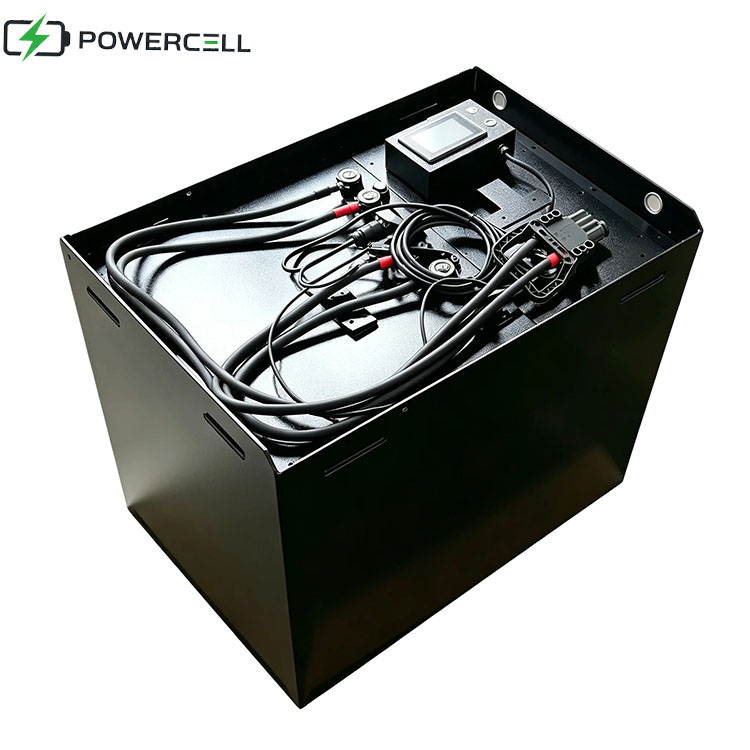
유용한 계산 방법으로는 총 소유 비용, 프로젝트 투자 수익률(ROI), 그리고 회수 기간의 세 가지가 있습니다.
두 배터리 시스템 모두에 동일한 분석 기간을 적용하십시오.
납산 배터리 총 소유 비용(TCO) = 초기 배터리 비용 + 교체용 배터리 비용 + 유지보수 인건비 + 전기료 + 수리비 + 가동 중단 비용 + 폐기 비용 − 코어 크레딧
리튬 TCO = 리튬 배터리 팩 비용 + 충전기 및 설치 비용 + 유지보수 비용 + 전기료 + 수리 비용 + 가동 중단 비용 + 폐기 비용 − 잔존 가치
분석 기간은 예상되는 납산 배터리 교체 시점을 적어도 한 번은 포착할 수 있을 만큼 충분히 길어야 합니다. 4년 차에 교체가 이루어지는 경우, 3년 단위의 모델은 납산 배터리에 불공평하게 유리하게 작용할 수 있습니다. 반면, 가정된 배터리 팩이 해당 차량군의 운행 조건에서 검증되지 않은 상태라면, 10년 단위의 모델은 리튬 배터리에 불공평하게 유리하게 작용할 수 있습니다.
대부분의 골프 카트 차량군에 있어, 출시된 지 5~7년 된 모델이 실용적인 시작점입니다.
이 공식을 사용합니다:
ROI = (총 재정적 이익 − 추가 전환 비용) ÷ 추가 전환 비용 × 100
차량 함대에 이미 새 배터리가 필요한 상황에서는, 추가 전환 비용이 리튬 구매 가격 전액을 차지하는 것은 아닙니다.
이는 리튬 프로젝트와, 그렇지 않았다면 구매하게 되었을 납산 배터리 대체품 간의 차이입니다.
예를 들어:
그 $1,800 프리미엄이 바로 이번 테스트의 대상인 투자입니다.
Use:
Payback period = incremental conversion cost ÷ annual recurring savings
This formula works when savings are relatively even. Golf cart battery projects are rarely that neat because a large avoided lead-acid replacement may occur in year three or four.
For that reason, build a year-by-year cash-flow schedule. The project pays back when cumulative cash flow turns positive.
A professional fleet proposal should also calculate net present value, or NPV.
NPV = present value of future savings − incremental investment
Discounting matters because $50,000 saved five years from now is worth less than $50,000 saved today. A business may use an 8%, 10%, or 12% discount rate depending on its cost of capital and approval rules.
Hard truth: a project with a positive undiscounted ROI can still be a poor capital decision when the savings arrive too late.
Consider a 40-cart, 48V fleet operating 260 days per year.
The following numbers are illustrative. They are not market quotations and should be replaced with actual supplier, labor, utility, and maintenance data.
| Input | Lead-acid | LiFePO4 |
|---|---|---|
| Installed battery cost per cart | $1,400 | $3,200 |
| Battery replacements within six years | 2 sets | 1 pack |
| Maintenance cost per cart per year | $300 | $60 |
| Electricity use per cart per year | 950 kWh | 780 kWh |
| Electricity price | $0.16/kWh | $0.16/kWh |
| Downtime per cart per year | 4 hours | 1 hour |
| Value of downtime | $45/hour | $45/hour |
| Analysis period | 6 years | 6 years |
The lithium installed price includes the battery, charger changes, cables, mounting hardware, commissioning, and technician labor.
| Six-year cost | Lead-acid fleet | Lithium fleet |
|---|---|---|
| Battery capital cost | $112,000 | $128,000 |
| 정기 유지 관리 | $72,000 | $14,400 |
| Electricity | $36,480 | $29,952 |
| 가동 중단 시간 | $43,200 | $10,800 |
| Total six-year cost | $263,680 | $183,152 |
The modeled six-year savings are:
$263,680 − $183,152 = $80,528
At the scheduled replacement date, the lithium premium is:
($3,200 − $1,400) × 40 carts = $72,000
The gross financial benefits include:
Project ROI is therefore:
($152,528 − $72,000) ÷ $72,000 × 100 = 111.8%
Using an 8% discount rate, the approximate six-year NPV of the incremental project is $46,827.
The project reaches payback during year three in this model, largely because the fleet avoids another $56,000 lead-acid purchase.
Notice what did not drive the result.
Electricity.
The six-year energy saving was only $6,528, or about 8% of the total net saving. Maintenance, downtime, and avoided replacement carried the business case.
That pattern is common. Sellers like to lead with charging efficiency because it sounds technical. Fleet operators should lead with labor records and vehicle availability because those figures usually move more money.
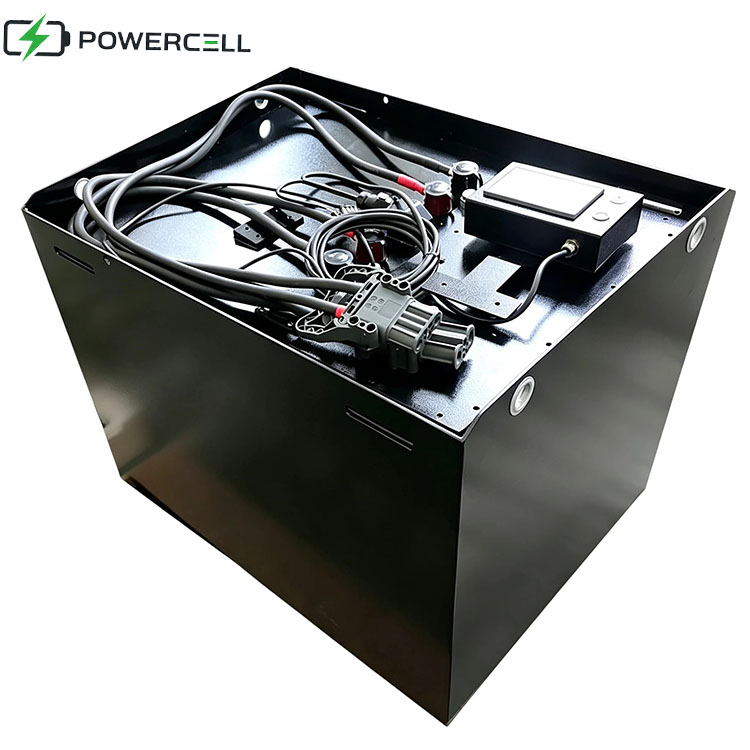
Battery prices have fallen sharply, but national battery-price statistics are not the same as delivered golf cart battery quotes.
The U.S. Department of Energy reported that estimated light-duty-vehicle lithium-ion pack costs fell 90% between 2008 and 2023, from $1,415/kWh to $139/kWh in constant 2023 dollars. The estimate assumes production at a scale of at least 100,000 units per year, so it should be treated as evidence of the manufacturing trend—not as the retail price of a custom golf cart pack. Read the DOE battery cost report.
BloombergNEF reported in December 2025 that average lithium-ion pack prices reached $108/kWh, while average LFP packs across surveyed segments reached $81/kWh. North American pack prices were still 44% higher than Chinese prices, reflecting regional production costs and import dependence. Again, these are market benchmarks, not installed golf-cart fleet prices. Review the BloombergNEF 2025 battery price survey.
Reuters also reported that weighted-average LFP cell prices fell to $59/kWh in September 2024. That number covers cells, not a complete battery with a BMS, enclosure, busbars, charger, connectors, shipping, certification, warranty reserve, dealer margin, and installation. Anyone inserting $59/kWh directly into a golf cart fleet proposal is building fiction, not a budget. See the Reuters battery cell price report.
A smaller amp-hour rating may still provide comparable usable energy because lithium can generally operate across a wider state-of-charge range. But that does not mean every lower-capacity pack is suitable.
Calculate usable energy:
Usable kWh = nominal voltage × amp-hours × permitted depth of discharge ÷ 1,000
Then test the cart under its worst route:
One pretty test drive proves very little.
Continuous-current ratings sell batteries. Peak-current behavior keeps carts moving.
A golf cart can demand high current during acceleration, hill climbing, towing, or carrying four to six passengers. If the BMS protection threshold is too low, the battery may disconnect even though it has plenty of stored energy.
다음 사항을 요청하세요:
A lead-acid charger should not be assumed safe or suitable for LiFePO4.
The proposal must state whether the existing charger can be reprogrammed, replaced, or retained. It should also include connector conversion, onboard charger removal, AC circuit work, and staff training.
코어스파크의 OEM/ODM lithium battery services cover BMS selection, terminal layout, connectors, charger matching, casing, documentation, and pack testing. Those details belong in the commercial quote because each one can affect installation cost and fleet compatibility.
A cart that cannot be rented, assigned to security, used by maintenance, or dispatched for guests is not free simply because no repair invoice was created.
Use:
Downtime cost = unavailable hours × contribution margin or replacement-resource cost
For a golf course, the right figure may be lost rental revenue or the cost of maintaining spare carts. For a resort, airport, campus, factory, or gated community, it may be overtime, delayed service, or a rental vehicle.
Pick a defensible number. Then document it.
Yale University provides a useful operating example, although it is broader than golf carts alone. Its battery-powered grounds fleet grew to more than 160 tools and vehicles, including golf cart-style electric vehicles. Yale reported that newer lithium technology increased runtime from roughly 20 minutes to more than four hours and that electric equipment had sharply reduced maintenance costs. Read Yale’s fleet transition case study.
Lead-acid recycling is mature and financially organized.
The U.S. Environmental Protection Agency states that approximately 99% of lead-acid batteries are recycled annually in the United States. It also notes that state programs commonly use refundable core charges ranging from $5 to $20, while commercial fleet arrangements may use separately negotiated credits. Review the EPA lead-acid collection case study.
Include every recycling credit in the lead-acid scenario.
And require the lithium supplier to explain its end-of-life process. “Recyclable” is not the same as “a recycler near us will accept this pack at a known cost.”
CoreSpark also maintains a category for lead-acid replacement battery systems, which can help buyers compare replacement configurations while retaining the broader cost discussion around fit, charging, maintenance, and disposal.
A single ROI result gives management false confidence.
Build at least three scenarios.
Use:
If the project still produces a positive NPV, the proposal is strong.
Use the most supportable operating assumptions from fleet records, supplier warranties, utility bills, and technician time studies.
Do not use the sales team’s “typical” figures unless they are backed by written operating conditions.
Use:
This scenario often applies to resorts, airports, factories, security fleets, campuses, and commercial golf operations where carts run several shifts.
Before selecting the best lithium batteries for a golf cart fleet, require written answers to these questions:
A low purchase price backed by vague answers is not a saving. It is deferred risk.
For custom fleets, ask the supplier to model voltage, capacity, enclosure dimensions, BMS current, charger specifications, connectors, quantity, duty cycle, and branding as one engineered system. CoreSpark’s battery project quote page accepts those details for technical review and OEM or bulk pricing.
ROI for a lithium golf cart fleet is the percentage return created by avoided battery replacements, lower maintenance labor, reduced charging losses, and less downtime after subtracting the conversion premium, charger work, installation, financing, and disposal costs across a fixed analysis period.
Use the incremental lithium premium as the investment, not necessarily the battery’s full purchase price. Then divide the project’s net financial benefit by that premium and multiply by 100.
A lithium battery payback period is the time required for cumulative maintenance, energy, replacement, and downtime savings to recover the extra cost of choosing lithium instead of the lead-acid replacement the fleet would otherwise purchase.
There is no honest universal answer. A high-use commercial fleet may recover its premium in two to four years, while a lightly used private fleet may take much longer or fail to reach payback within the selected analysis period.
Lithium golf cart batteries can reduce electricity costs when their charging system wastes less energy and the fleet avoids repeated equalization or inefficient charging, but the saving must be confirmed with wall-meter measurements taken under comparable routes, loads, temperatures, and charging conditions.
Energy savings are often smaller than maintenance and replacement savings. Install temporary kWh meters on representative chargers before conversion, then compare the same carts after the lithium installation.
Downtime is the financial value of the hours a cart cannot perform its intended work, including lost rental revenue, delayed transport, spare-cart requirements, employee waiting time, outsourced vehicles, and service disruption caused by battery maintenance, charging, diagnosis, or failure.
Use a documented hourly value rather than an inflated guess. Even a conservative figure can materially change lithium golf cart battery ROI across a large or heavily used fleet.
The best lithium batteries for golf cart fleets are packs correctly matched to cart voltage, motor-controller demand, peak current, route length, passenger load, charger profile, regenerative braking, temperature range, enclosure space, service support, warranty terms, and required operating life.
Brand name alone is not enough. Compare usable kWh, BMS limits, cell traceability, test documentation, installation hardware, regional support, warranty freight terms, and expected capacity at the end of the analysis period.
An immediate golf cart fleet lithium conversion is financially justified when the existing batteries are near replacement, the lithium system has been validated on representative carts, and conservative cash-flow modeling produces an acceptable payback period and positive NPV after all installation and operating costs.
Replacing healthy lead-acid batteries early can weaken ROI. In many fleets, the better approach is a phased conversion aligned with scheduled battery replacements, beginning with the highest-use vehicles.
Do not ask a supplier for “the price of a 48V lithium battery.”
Send the real operating profile:
Then request a complete installed proposal covering batteries, chargers, mounting, cables, BMS specifications, transport documents, warranty handling, replacement availability, and end-of-life support.
Run the conservative case first.
If the lithium golf cart battery ROI still works after the optimistic assumptions have been removed, the fleet is not buying a trend. It is making a measurable capital investment.