適切なLiFePO4バッテリーの選択にお困りですか?
用途、電圧、容量、バッテリーサイズ、数量、ブランディングのニーズをお知らせください。BYingPowerがお客様のプロジェクトを検討し、ゴルフカート、RV、海洋システム、ソーラー貯蔵、フォークリフト、または鉛酸の代替に適したLiFePO4バッテリーソリューションを提案します。.



高温環境がLiFePO4製ゴルフカート用バッテリーを即座に破壊するわけではありませんが、セルが持続的に高温になること、充電率が高い状態、過激な充電、およびバッテリー室の通気不良は、耐用年数を縮める可能性があります。ここでは、研究結果と、所有者、ディーラー、およびフリート運営者がそれに対して取るべき対策について解説します。.
自己発熱機能は、冬場のリチウムイオン製ゴルフカート用バッテリーにとって当然のアップグレードのように思えますが、多くの購入者は、ヒーターがいつ作動するのか、その電力はどこから供給されるのか、あるいはBMSが実際に危険な充電を遮断するのかどうかを理解しないまま、その機能に追加料金を支払っています。ここでは、サプライヤーがほとんど明かさない、寒冷地での実態を数字で解説します。.
ほとんどのゴルフコースのカート用充電器は、充電中のカート1台あたり、およそ1.0~1.6 kWの交流入力電力を必要とします。適切な設計は、充電器の銘板に記載された入力値、バッテリーの化学組成、1日あたりのエネルギー消費量、充電時間、および管理型充電制御機能によって決まるものであり、単にカートの台数だけで決まるものではありません。.
リチウムイオン製ゴルフカート用バッテリーは初期費用は高くなりますが、購入価格だけではフリート管理者にとってほとんど参考になりません。このガイドでは、メンテナンスコストの削減、交換頻度の減少、ダウンタイムの短縮、充電効率の向上、および耐用年数の延長から得られる真の投資対効果を算出する方法をご紹介します。.
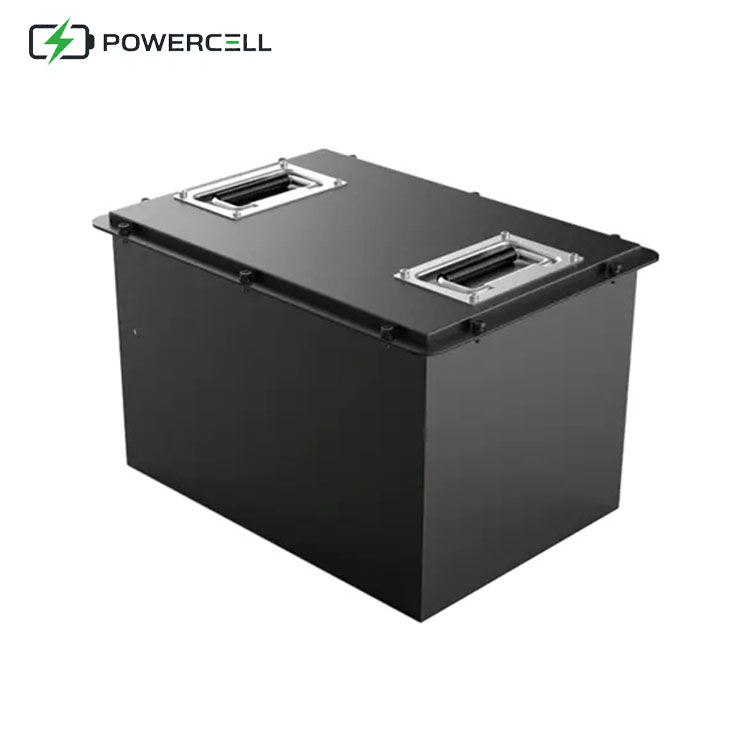
重い鉛蓄電池パックを軽量なLiFePO4バッテリーに交換することで、ゴルフカートの重量を250ポンド以上軽減できます。通常、重量が軽くなるとブレーキに必要なエネルギーは減少しますが、バッテリーの設置位置が不適切だったり、後輪軸への荷重バランスが変わったりすると、カートの安定性が損なわれることがあります。.
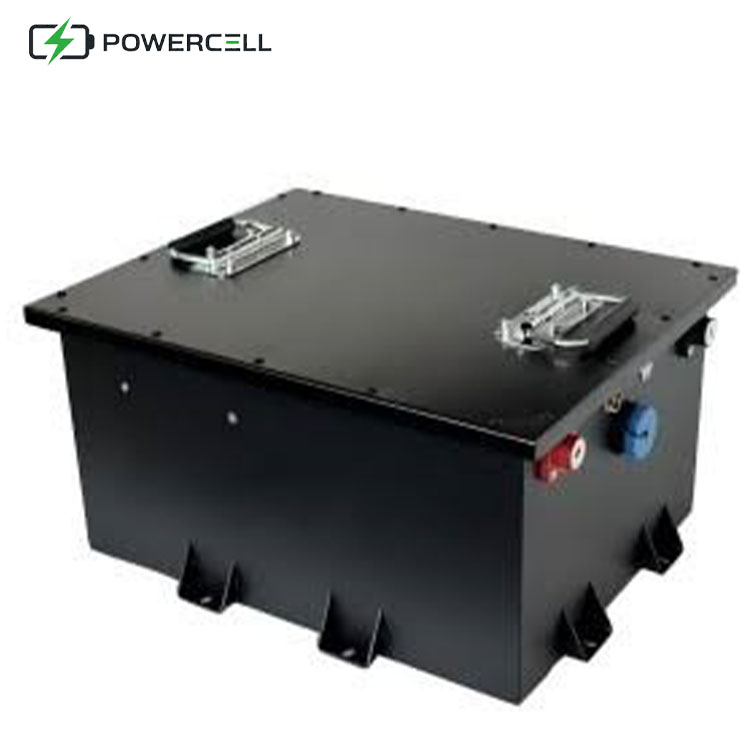
紙の上に収まるサイズのバッテリーであっても、シートベースと干渉したり、ケーブルに負担をかけたり、水が溜まったり、固定用のスペースが確保できなかったりする可能性があります。交換用バッテリーパックの承認や一括注文を行う前に、この12項目のゴルフカート用バッテリー収納スペース測定テンプレートをご利用ください。.
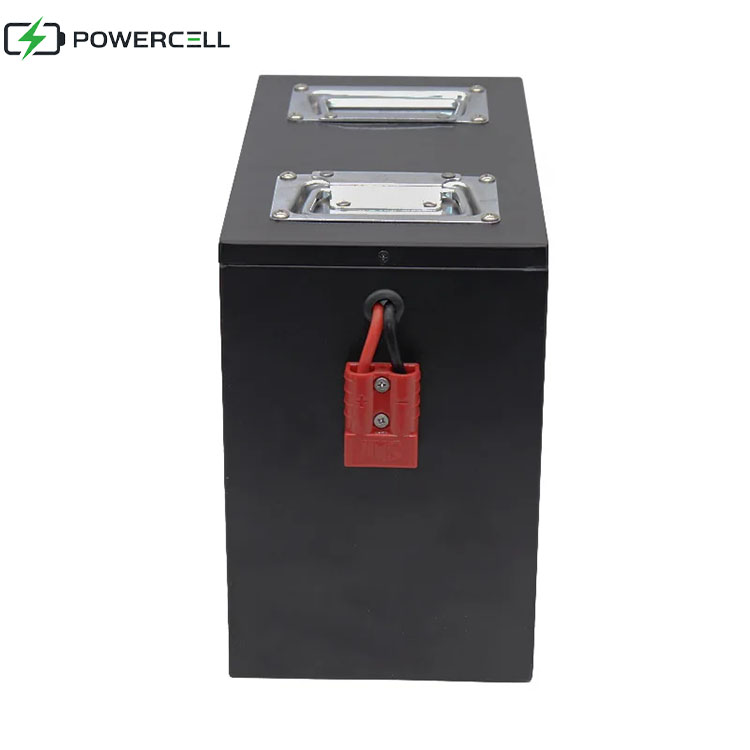
通常、ゴルフカートのオーナーにとっては、単体のリチウムイオンバッテリーパックが最もクリーンで信頼性の高い改造方法となります。バッテリーを並列接続することで容量や電流を増やすことは可能ですが、それはBMS、ケーブル、ヒューズ、充電器、およびバッテリーの仕様が、一つのシステムとして設計されている場合に限られます。.
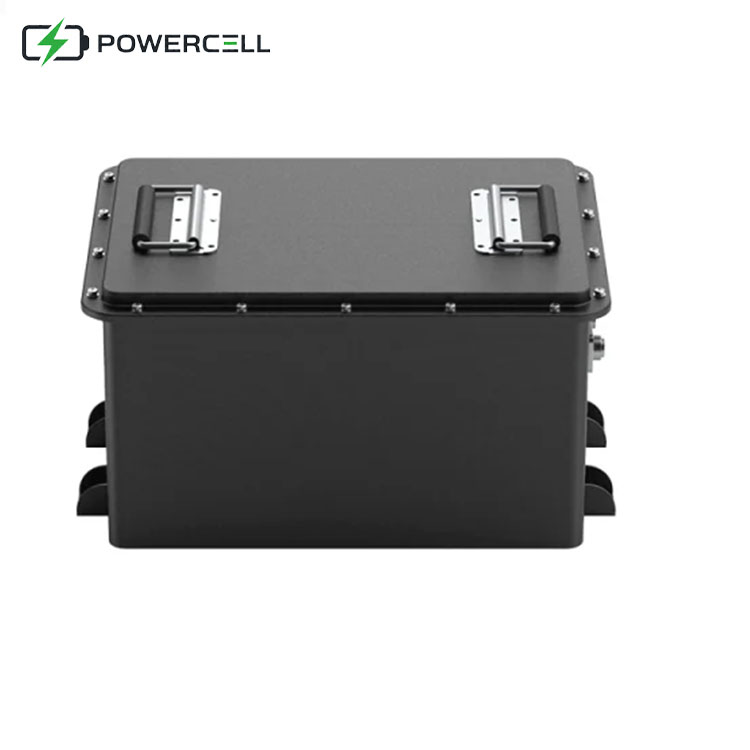
充電できなくなったリチウムイオン製ゴルフカート用バッテリーは、必ずしも寿命が尽きたわけではありません。この現場向けガイドでは、BMSによる保護機能の特定方法、バッテリーを安全に復帰させる方法、充電器のテスト方法、そして高額な費用がかかる充電器とバッテリーパックの不適合を回避する方法について解説します。.
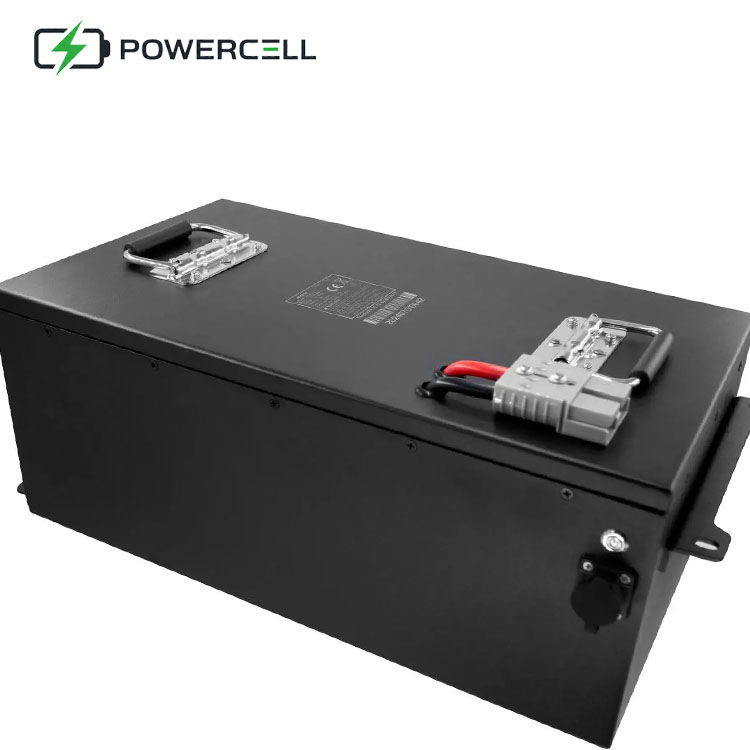
一般的な72Vゴルフカートには、漠然とした「大電流対応BMS」以上のものが必要です。このガイドでは、なぜ200A(連続)、400A(ピーク)のBMSが標準的な基準となるのか、また、その仕様が危険なほど不十分となる場合について解説します。.
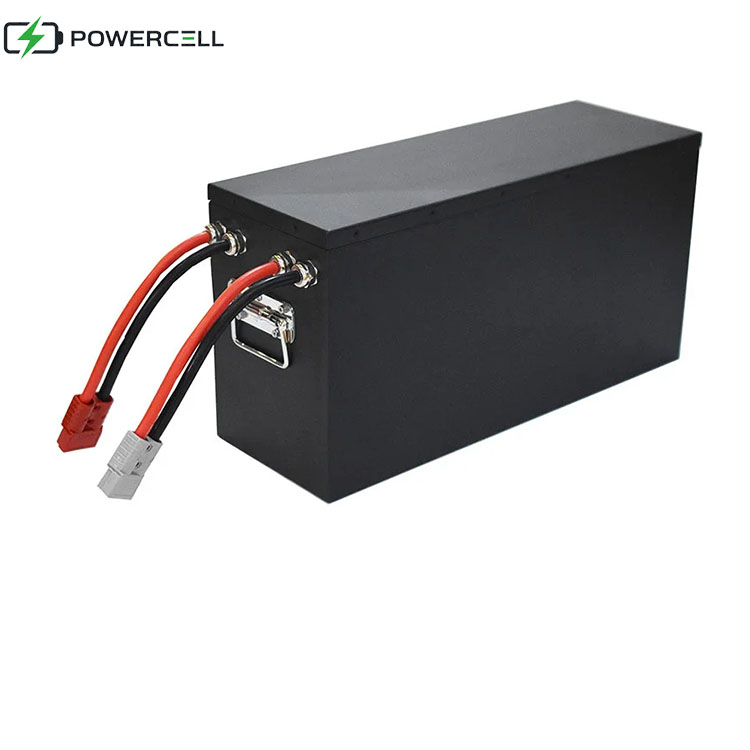
25Aの充電器は充電速度が速いですが、速いからといって必ずしも優れているとは限りません。このガイドでは、実際の充電計算、BMSの要件、電気負荷の推定値、安全実績、および実運用における車両群のシナリオを基に、15A、20A、25Aのゴルフカート用リチウムイオンバッテリー充電器を比較しています。.
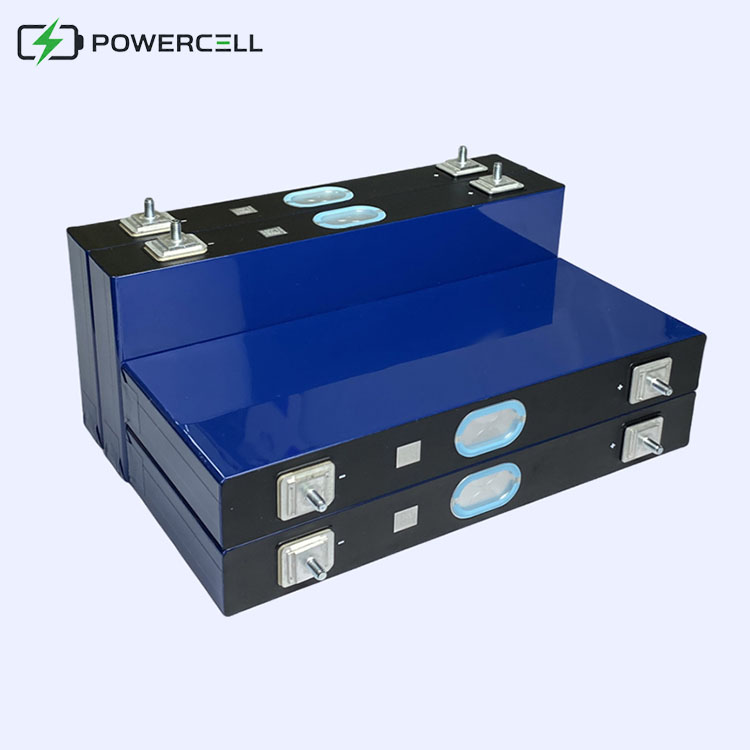
ゴルフカートが上り坂で苦戦しているとき、私が真っ先に原因として疑うのはモーターではありません。このガイドでは、実際の測定値を用いて、バッテリーの電圧降下、コントローラーの不具合、BMSの保護機能、モーターの故障、および駆動系の抵抗をどのように区別するかを解説します。.
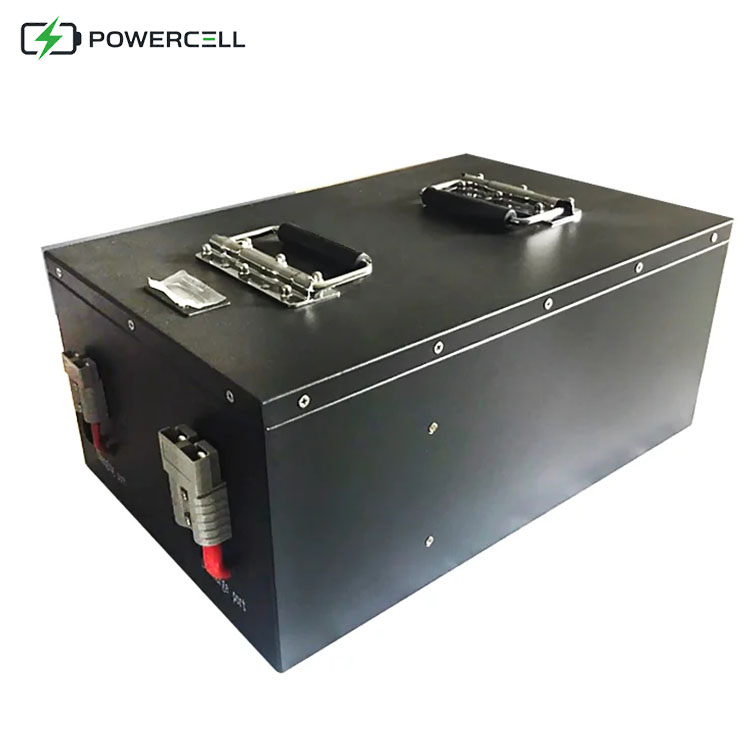
ゴルフカートの航続距離が突然短くなったからといって、必ずしもLiFePO4電池が寿命を迎えたとは限りません。この診断ガイドでは、充電器の故障、BMSによる制限、機械的な抵抗、気象条件の影響、配線による電力損失、そして真の容量低下を区別して解説しています。.