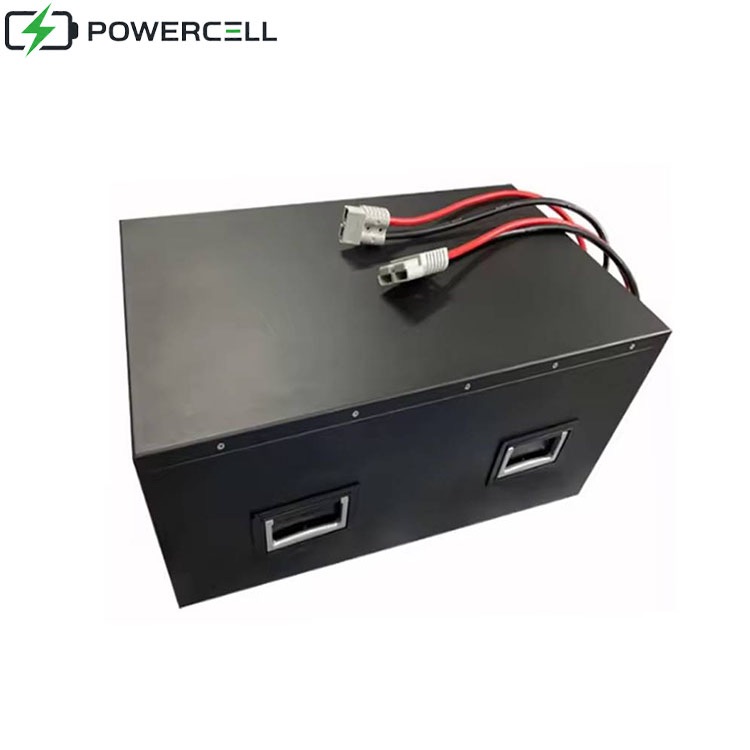
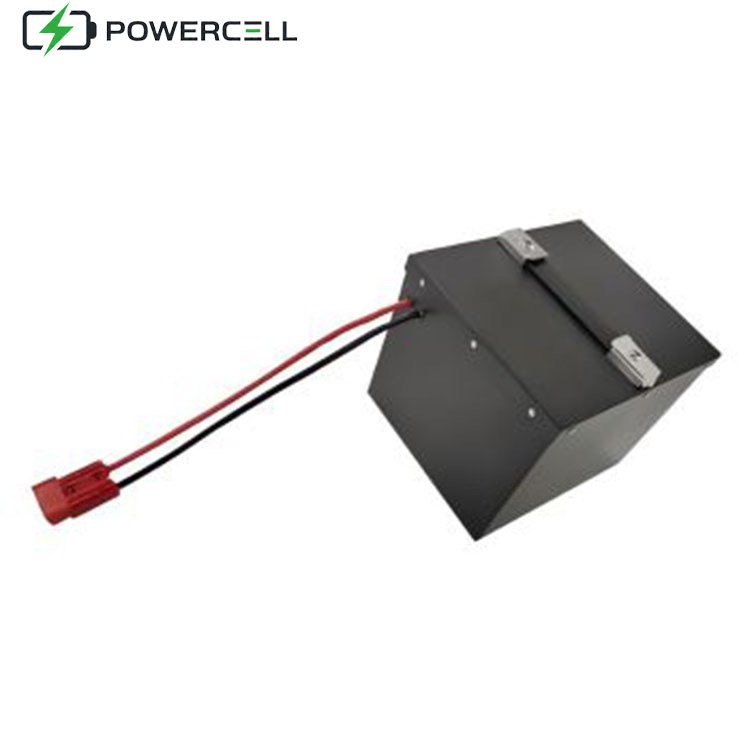
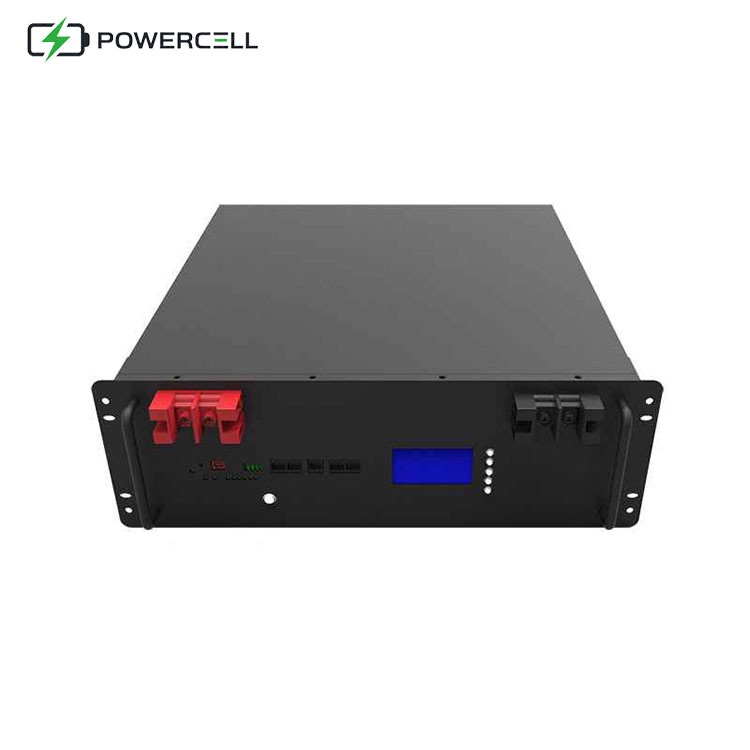
Send us your application, voltage, capacity, battery size, quantity, and branding needs. BYingPower will review your project and recommend the right LiFePO4 battery solution for golf carts, RVs, marine systems, solar storage, forklifts, or lead-acid replacement.
Custom battery pack review for your application
OEM/ODM and private-label battery guidance
BMS, charger, terminals, heating, and packaging support
Faster quote path for samples and bulk orders
4th Floor, Building A, No. 2, Longjiang 2nd Road, Xie Keng, Qingxi Town, Dongguan Province,China.
A 48V floor scrubber battery is not just a box of cells. It decides runtime, charge discipline, machine downtime, operator safety, and whether your cleaning fleet becomes cheaper to run or quietly more expensive.
The Dirty Secret Behind “48V” Floor Scrubber Batteries
Voltage lies.
A buyer sees “48V floor scrubber battery” on a quote sheet, assumes every pack in that voltage class will behave the same, and then wonders why one machine runs cleanly through a warehouse shift while another trips the controller, overheats the connector, or limps home before the night crew finishes aisle seven. Is that really a battery problem, or a specification problem?
I’ll say the quiet part first: most failed floor scrubber LiFePO4 battery projects do not fail because lithium iron phosphate is weak. They fail because somebody treated a commercial floor cleaning machine battery like a consumer drop-in battery.
A real floor scrubber battery has to survive vibration, wet floors, opportunity charging, high motor startup draw, brush pressure spikes, charger mismatch, impatient operators, and maintenance teams that are already stretched thin. The chemistry matters, yes. But the pack architecture matters more.
A 48V lithium floor scrubber battery pack is usually built as a 16-cell LiFePO4 system with a nominal voltage around 51.2V. That number scares some traditional lead-acid buyers because their old system was marketed as “48V.” It should not. A 16S LiFePO4 pack commonly charges up to about 58.4V, and many industrial controllers are designed with enough voltage tolerance for that class. But “many” is not “all.”
That is where the money gets lost.
Before you buy the right custom LiFePO4 battery pack for a floor scrubber, you need the machine model, controller voltage window, peak current, physical battery tray size, connector type, charger profile, runtime target, and operating temperature. Without those details, you are not buying a battery. You are gambling with downtime.
Why LiFePO4 Took Over the Serious Battery Conversation
LiFePO4 is not fashionable because battery marketers suddenly discovered a better acronym. It is popular because fleets are tired of watering lead-acid batteries, swapping heavy packs, cleaning corrosion, babysitting charge rooms, and explaining why an expensive machine is parked during working hours.
The broader battery market has moved in the same direction. The International Energy Agency reported that in 2025, lithium iron phosphate batteries accounted for over 55% of EV batteries deployed globally, up from nearly 50% in 2024, according to its Global EV Outlook 2026 battery analysis. That is not a floor scrubber statistic, but it tells us something useful: LFP is no longer a fringe chemistry. It is mainstream, scaled, cost-pressured, and improving.
And prices have been ugly for weak suppliers.
Reuters reported in October 2024 that LFP battery cell prices had fallen to about $59 per kWh, with some transactions around $50 per kWh, according to Benchmark Mineral Intelligence in its coverage of record-low battery cell prices. That sounds great for buyers. But here is the hard truth: when cell prices fall, bad assemblers do not automatically build better packs. They often chase thinner margins with cheaper BMS boards, undersized cables, mystery cells, poor sealing, and weak after-sales support.
Cheap gets expensive.
For a floor scrubber LiFePO4 battery, the value is not just the cell cost. It is the whole pack: cell matching, BMS logic, thermal design, waterproofing, vibration resistance, connector quality, charger compatibility, CAN or RS485 communication when needed, and documentation that can survive a professional procurement review.
That is why industrial buyers should treat floor scrubbers more like material-handling equipment than janitorial accessories. The same thinking that applies to lithium forklift battery packs often applies to scrubbers: high cycle use, predictable routes, defined charge windows, and painful downtime when the battery is wrong.
Lead-Acid Replacement: The Trap Nobody Puts on the Quote
Lead-acid replacement sounds simple. Remove the old pack, install lithium, save weight, charge faster, and move on.
Not quite.
A lead-acid floor scrubber battery loses voltage gradually as it discharges. LiFePO4 holds voltage flatter for longer, then drops more sharply near the end. That is good for consistent machine performance, but it can confuse old battery gauges and cheap controllers. Operators may think they have more runtime left than they do, unless the pack includes proper state-of-charge reporting or the machine is recalibrated.
Then there is weight. Lead-acid is heavy. Sometimes that weight helps the scrubber maintain brush pressure and traction. If the lithium iron phosphate floor scrubber battery is much lighter, you may need ballast or a pack design that preserves the machine’s balance. Anyone who ignores this is selling you a catalog number, not a working machine solution.
I have seen buyers celebrate shaving 60 kg off a battery compartment, then complain that the scrubber behaves differently on ramps, wet tile, or aggressive brush settings. The battery did exactly what it was designed to do. The buyer forgot the machine was designed around a weight class.
CoreSpark’s lead-acid replacement battery category is the right internal direction for this discussion, but the replacement must be engineered. Voltage alone is not enough.
Lead-Acid vs 48V LiFePO4 Floor Scrubber Battery
Factor
Lead-Acid Floor Scrubber Battery
48V / 51.2V LiFePO4 Floor Scrubber Battery
Buyer’s Real Risk
Usable capacity
Often limited by deeper discharge damage
Higher usable capacity under correct BMS limits
Overstating runtime without load data
Maintenance
Watering, corrosion checks, equalization
No watering, lower routine upkeep
Ignoring connector and charger inspection
Charging style
Longer charge cycles, less flexible
Faster charging, opportunity charging possible
Using the wrong charger profile
Weight
Heavy, sometimes useful for balance
Lighter unless ballast or case design compensates
Reduced traction or brush pressure
Cycle life
Lower in harsh daily use
Often much higher when correctly specified
Buying cheap cells with weak documentation
Safety profile
Acid spills, gas during charging
BMS-managed electrical and thermal protection
Assuming lithium means zero fire risk
Fleet economics
Lower upfront price
Higher upfront price, lower service burden
Judging only by purchase price
The BMS Is the Battery’s Real Boss
People obsess over amp-hours. I obsess over current.
A 48V floor scrubber battery rated at 100Ah might look strong on paper, but if the BMS continuous discharge is too low, or if the peak discharge window is too short, the scrubber will punish that weakness every time the drive motor, vacuum motor, and brush motor pull together under real load. The spec sheet may say “100Ah.” The machine may say “not enough.”
This is where many online listings become dangerous for commercial buyers. A generic 48V 100Ah LiFePO4 battery made for solar storage or a golf cart may not be appropriate for a ride-on floor scrubber. The pack might have the wrong enclosure, wrong mounting orientation, wrong waterproof rating, wrong connector, wrong discharge profile, and no support for the machine’s communication requirements.
For a commercial floor cleaning machine battery, I want to see these details before I trust the pack:
Spec Item
What I Want to Confirm
Why It Matters
Nominal voltage
48V class or 51.2V LiFePO4 actual nominal
Prevents controller mismatch
Charge voltage
Usually around 58.4V for 16S LiFePO4
Avoids overcharge or undercharge
Capacity
Ah and Wh, not Ah alone
Wh tells the real energy story
Continuous discharge
Matched to scrubber load
Prevents shutdown under normal operation
Peak discharge
Matched to startup and brush load spikes
Prevents nuisance trips
BMS functions
Overcurrent, short circuit, overcharge, over-discharge, temperature
Protects pack and machine
Communication
Bluetooth, CAN, RS485, LCD, or none
Supports service diagnostics and fleet monitoring
Enclosure
Metal or industrial-grade case, IP-rated when needed
Handles wet, dirty operating areas
Connector
Anderson, SB series, custom plug, or OEM harness
Prevents heat and loose-contact failures
Charger
LiFePO4-specific profile
Protects cells and warranty
And yes, I know this sounds fussy. Good. Batteries are supposed to be fussy before purchase, not after installation.
Safety Is Not a Marketing Checkbox
The safety debate around lithium batteries is often dishonest. One side says lithium is dangerous. The other side says LiFePO4 is safe. Both are oversimplifying.
LiFePO4 is widely respected for thermal stability compared with many nickel-rich lithium chemistries, but a badly designed pack can still fail. Physical damage, bad charging, water ingress, undersized wiring, loose terminals, counterfeit cells, and poor BMS behavior can still create risk.
OSHA warns operators not to overcharge or undercharge batteries and to avoid discharging beyond the manufacturer’s specified level because permanent battery damage and shorter life can result, according to its guidance on powered industrial truck electrical power sources. That guidance is written around industrial truck operations, but the discipline transfers directly to floor scrubbers: charge correctly, inspect the system, and respect manufacturer limits.
The EPA also tells consumers and operators not to put lithium-ion batteries in regular trash or recycling bins and recommends proper recycling or hazardous waste channels, as explained in its guidance on used lithium-ion battery recycling and disposal. That matters for facility managers because battery end-of-life handling is no longer a casual back-room decision. It is part of risk control.
So when someone asks for the best LiFePO4 battery for floor scrubber use, I do not start with brand names. I start with abuse cases.
What happens if the operator opportunity-charges three times per shift? What happens if water splashes the case every night? What happens if the charger is left plugged in over the weekend? What happens if the machine sits in a cold loading area? What happens if a connector loosens after 400 hours of vibration?
If the supplier cannot answer those questions, the battery is not ready for industrial cleaning equipment.
48V or 51.2V: The Naming Problem That Confuses Buyers
A 48V lithium floor scrubber battery pack is often called 48V for market familiarity, but a LiFePO4 pack built with 16 cells in series is usually 51.2V nominal. That is normal. It is not trickery.
The trouble starts when buyers compare a nominal 48V lead-acid system, a 51.2V LiFePO4 system, and a machine controller with an unpublished voltage cutoff. If the controller tolerates the full charge voltage, fine. If it does not, you may get fault codes, shutdowns, or warranty arguments.
This is why a proper supplier asks for machine data before quoting. The 48V lithium battery category can help buyers understand common voltage platforms, but a floor scrubber pack still needs application matching. Golf carts, forklifts, AGVs, floor scrubbers, and solar systems may share voltage classes. They do not share duty cycles.
Here is my blunt rule: never approve a floor scrubber LiFePO4 battery using voltage and capacity alone.
A serious RFQ should include:
Machine brand and model
Original battery voltage and Ah rating
Battery tray length, width, height, and hold-down method
Original battery weight
Connector type and cable length
Charger model and charging curve
Target runtime per shift
Maximum expected daily cycles
Operating environment, including wet areas and temperature
Certification or shipping document requirements
Communication needs such as Bluetooth, CAN, RS485, or display
That list may feel long. It is cheaper than a failed fleet rollout.
The Real Economics: Runtime Is Only One Line Item
Most battery sellers pitch runtime. I look at total interruption cost.
If a scrubber cleans a shopping mall, hospital, airport, warehouse, school, or factory floor, a dead battery is not just an inconvenience. It disrupts labor planning. It creates dirty zones. It can force overtime. It makes supervisors lose trust in the machine. And when operators lose trust, they start improvising.
Improvising kills batteries.
The business case for a 48V floor scrubber LiFePO4 battery pack usually comes from five areas:
Longer usable runtime per charge
Faster charging and opportunity charging
Reduced maintenance labor
Lower risk of acid spill and corrosion
Fewer battery replacements over the machine’s service life
But the payback only works if the battery is correctly sized. A pack that is too small gets cycled harder. A weak BMS trips early. A mismatched charger ages cells. A poorly sealed enclosure fails in wet environments. A no-name supplier disappears when the warranty claim gets technical.
That is why procurement teams should review CoreSpark battery case studies and ask for project evidence, not just a price sheet. Case studies are not holy texts. They are clues. They show whether a supplier has dealt with actual operating constraints.
How to Choose a 48V Floor Scrubber Battery Without Getting Played
The phrase “how to choose a 48V floor scrubber battery” should not lead to a generic checklist written for hobby batteries. Commercial buyers need sharper filters.
Start with chemistry: LiFePO4, chemical formula LiFePO4, is usually the sensible choice for scrubbers because the chemistry fits long cycle life, steady voltage, and daily work patterns. Then confirm the pack voltage: 16S, 51.2V nominal, full charge around 58.4V, unless the machine requires a different architecture.
Next, size energy in watt-hours. A 51.2V 100Ah pack is about 5.12 kWh. A 51.2V 200Ah pack is about 10.24 kWh. Do not let anyone talk only in Ah if you are comparing across voltage systems. Wh is harder to spin.
Then pressure-test the BMS rating. A ride-on scrubber with drive, vacuum, solution pump, and brush deck can pull serious current under load. If the BMS is sized like a storage battery, it may trip. Ask for continuous current, peak current, peak duration, temperature limits, short-circuit response, and low-temperature charging protection if relevant.
Then confirm the charger. This is where I have little patience. A LiFePO4 pack needs the right charging profile. If a supplier casually says your old lead-acid charger is “probably fine,” push back. Hard.
Finally, inspect the pack mechanically. The battery should fit the tray, secure properly, protect the terminals, resist vibration, and survive the floor-care environment. Scrubbers live around water, detergent, dust, impact, and rushed operators. A battery case that looks clean on a product photo may not belong inside a cleaning machine.
The Supplier Test: Five Questions That Expose Weak Vendors
I like uncomfortable supplier questions. They save money.
Ask these before approving any 48V lithium floor scrubber battery pack:
1. What is the exact cell configuration?
You want a clear answer, such as 16S LiFePO4, not vague talk about “48V lithium.” The configuration affects nominal voltage, charge voltage, BMS design, and controller compatibility.
2. What is the BMS continuous and peak discharge rating?
If they only answer with Ah, they are dodging. Floor scrubbers are load machines, not static storage systems.
3. Can the pack match my charger or do I need a dedicated charger?
A responsible supplier will review charger voltage, current, and charge curve. A careless supplier will tell you everything works.
4. What is the enclosure protection level?
Ask about water resistance, cable glands, case material, mounting method, and vibration. Floor scrubbers do not live in clean lab conditions.
5. What documents come with export and after-sales support?
For cross-border B2B supply, documentation matters: UN38.3, MSDS, transport documents, product specifications, warranty terms, and test reports where applicable. CoreSpark’s OEM/ODM LiFePO4 battery support is relevant here because custom floor scrubber packs often need more than a standard shelf SKU.
FAQs
What is a 48V floor scrubber LiFePO4 battery pack?
A 48V floor scrubber LiFePO4 battery pack is a rechargeable lithium iron phosphate battery system designed to power commercial floor cleaning machines, usually using a 16-cell configuration with about 51.2V nominal voltage, integrated BMS protection, and a charger profile matched to daily industrial cleaning use.
In plain English, it replaces traditional lead-acid batteries in walk-behind or ride-on scrubbers. The better packs improve usable runtime, reduce maintenance, allow faster charging, and provide more stable voltage under load. The bad ones simply move the failure point from the battery room to the machine controller.
Is 51.2V the same as a 48V floor scrubber battery?
A 51.2V LiFePO4 battery is commonly sold as a 48V lithium battery because it belongs to the same industrial voltage class, but the actual nominal voltage is higher due to the 16S LiFePO4 cell configuration used in many lithium iron phosphate packs.
This naming gap is normal, but it must be checked against the scrubber’s controller and charger limits. Do not assume every older 48V lead-acid machine can accept every 51.2V LiFePO4 pack without review. The safe path is to verify full charge voltage, low-voltage cutoff, and BMS behavior before purchase.
How long does a 48V lithium floor scrubber battery pack last?
A 48V lithium floor scrubber battery pack can last for several thousand cycles when the cells, BMS, charger, temperature limits, and discharge depth are properly matched to the cleaning machine’s daily workload and operating environment.
The honest answer depends on abuse. A pack used once per day at moderate depth of discharge will age differently from a pack that gets deep-cycled, opportunity-charged, overheated, and stored at full charge every weekend. Supplier claims mean little unless they are tied to test conditions.
Can I replace a lead-acid floor scrubber battery with LiFePO4?
You can replace a lead-acid floor scrubber battery with LiFePO4 when voltage compatibility, battery tray size, charger profile, machine balance, BMS discharge rating, connector type, and operating conditions have all been confirmed before installation.
The risk is not chemistry. The risk is lazy conversion. Lead-acid systems have different voltage curves, weight, and charging behavior. A good replacement plan protects runtime and machine behavior. A bad one creates false battery gauge readings, traction changes, charger errors, or controller shutdowns.
What is the best LiFePO4 battery for floor scrubber use?
The best LiFePO4 battery for floor scrubber use is the pack that matches the machine’s voltage range, peak current demand, tray dimensions, charger profile, waterproofing needs, duty cycle, connector design, and service documentation requirements.
That answer may sound less exciting than naming a model, but it is more honest. A hospital scrubber, warehouse ride-on scrubber, and compact retail cleaning machine may all need different battery designs. For buyers with custom requirements, sending the full application data through CoreSpark’s contact page is the cleaner route than guessing from a catalog.
Final Thoughts: Buy the Battery Like Downtime Has a Price
A floor scrubber battery is not a commodity when the machine cleans revenue-generating space.
So here is my opinion: the cheapest 48V floor scrubber LiFePO4 battery pack is often the most expensive one you can buy. Not always. But often enough that professional buyers should be suspicious.
Do not ask only, “How many amp-hours?” Ask, “What happens under real load?” Ask, “Will the charger behave?” Ask, “Will the machine keep its balance?” Ask, “Can the supplier prove the BMS is sized for my scrubber?” Ask, “What happens when a technician calls six months from now with a fault code?”
If you are replacing lead-acid batteries in a cleaning fleet, building an OEM scrubber program, or sourcing private-label industrial battery packs, gather the machine data first: model, voltage, tray size, weight, charger, connector, runtime target, and operating conditions. Then request a reviewed pack recommendation instead of a blind quote.
Your next step is simple: send your floor scrubber specifications and duty-cycle requirements to CoreSpark Battery for a custom LiFePO4 battery review, and ask for a 48V or 51.2V floor scrubber battery pack matched to the machine—not just matched to a keyword.
Newsletter Updates
Enter your email address below and subscribe to our newsletter
BYingPower provides OEM, wholesale, and custom LiFePO4 battery packs for golf carts, RVs, forklifts, solar storage, marine power, and lead-acid replacement applications. We support battery brands, distributors, dealers, system integrators, and OEM buyers with reliable lithium battery solutions, smart BMS options, private-label services, and export documentation support.