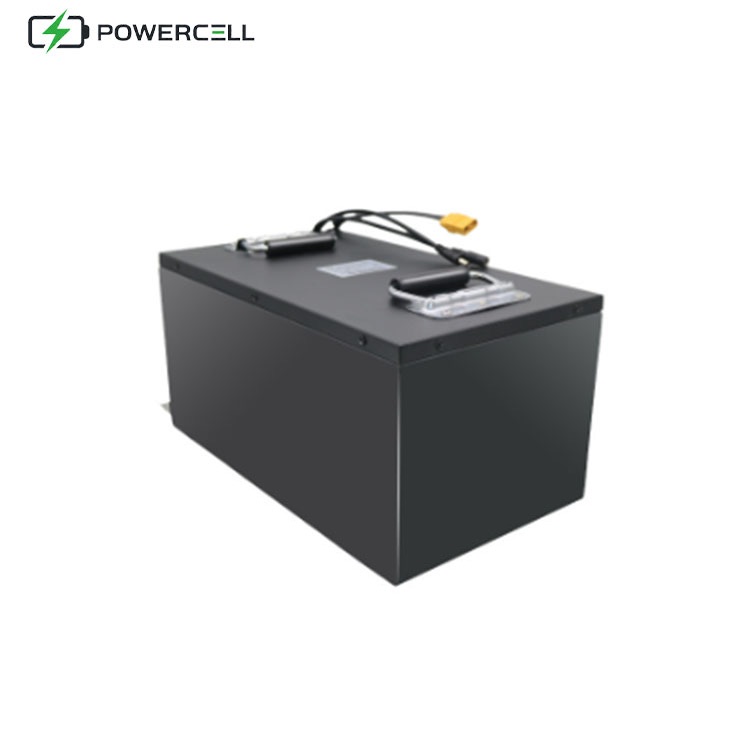
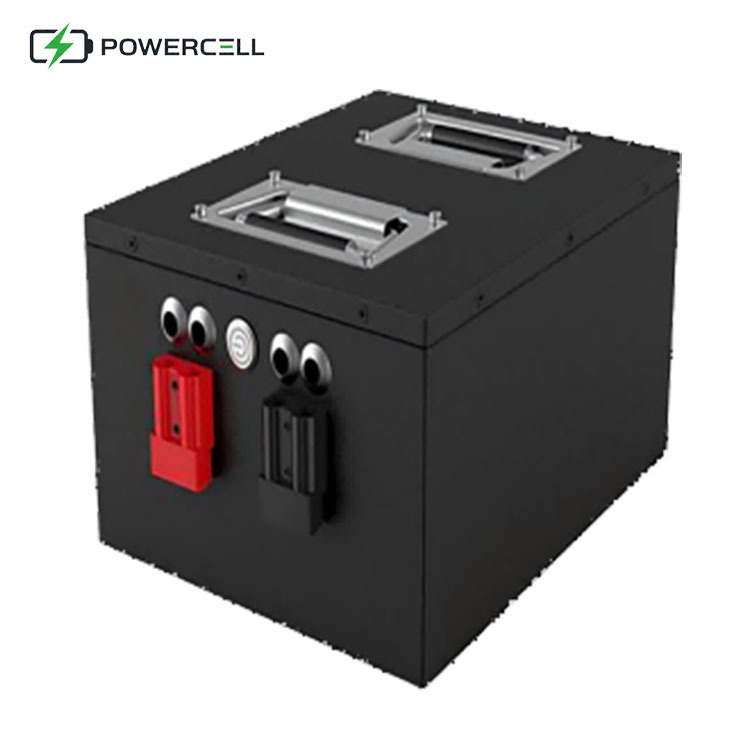
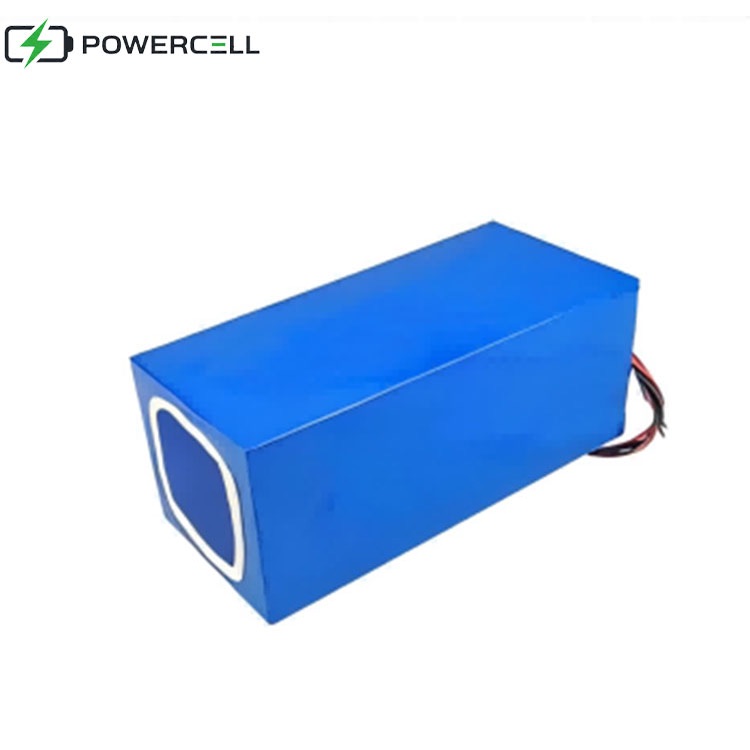
Send us your application, voltage, capacity, battery size, quantity, and branding needs. BYingPower will review your project and recommend the right LiFePO4 battery solution for golf carts, RVs, marine systems, solar storage, forklifts, or lead-acid replacement.
Custom battery pack review for your application
OEM/ODM and private-label battery guidance
BMS, charger, terminals, heating, and packaging support
Faster quote path for samples and bulk orders
4th Floor, Building A, No. 2, Longjiang 2nd Road, Xie Keng, Qingxi Town, Dongguan Province,China.
24V RV and Off-Grid Lithium Battery Custom Solutions
Most 24V lithium battery failures are not chemistry failures. They are specification failures. This guide breaks down what RV brands, off-grid installers, distributors, and OEM buyers should verify before buying or private-labeling a 24V RV lithium battery system.
The 24V Lithium Battery Market Has a Trust Problem
Most people buy voltage. Pros buy systems.
That sounds blunt, but after reviewing enough RV and off-grid battery specifications, I have learned that the ugliest failures rarely come from the headline chemistry; they come from weak BMS ratings, lazy charger matching, fake “drop-in” promises, poor thermal planning, vague UN38.3 paperwork, and sales teams that confuse amp-hours with usable energy.
So why are so many buyers still shopping like 100Ah means the same thing across every platform?
A real 24V lithium battery for RV and off-grid use is not just two 12V batteries taped together in a cleaner-looking box. In LiFePO4 language, a “24V” pack is usually an 8S configuration with a nominal voltage of 25.6V, a full-charge voltage around 29.2V, and a working voltage profile that behaves very differently from AGM or flooded lead-acid. That difference is not cosmetic. It changes inverter current, cable sizing, solar charge settings, low-temperature charging rules, storage procedures, and warranty exposure.
The timing matters. According to the RV Industry Association, U.S. RV shipments reached 342,220 units in 2025, up 2.5% from 2024, which means the replacement and upgrade market is still alive even after the post-pandemic correction in recreational vehicle demand. You can see that signal in the RVIA 2025 shipment report. More RVs on the road means more solar retrofits, more inverter upgrades, and more owners who want residential comfort without generator noise.
But here is the hard truth: the buyer who says “I need a 24V 200Ah battery” may not know what they actually need. They may need a 5.12 kWh pack with a 200A BMS, CAN or RS485 communication, low-temperature charge cut-off, M8 terminals, matched charger settings, IP-rated casing, and documentation fit for transport. That is why serious buyers should start with application architecture, not a catalog SKU.
For buyers comparing 24V pack options, CoreSpark’s 24V LiFePO4 battery solutions page is the natural category hub. For RV-specific requirements, the more targeted 24V RV LiFePO4 battery range fits the intent better because it speaks to higher-power RV, inverter, marine, and off-grid energy storage systems.
Why 24V Beats 12V When the Load Gets Serious
Here is the simple math. A 3,000W inverter on a 12V system can pull roughly 250A before losses. On a 24V system, that current drops to about 125A before losses. Lower current means less heat, easier cabling, cleaner protection design, and fewer voltage sag complaints from users who run induction cooktops, air conditioners, water pumps, fridges, Starlink, and DC-DC chargers at the same time.
But I would not tell every RV owner to move to 24V. That would be lazy.
A weekend camper with LED lighting, a 12V fridge, USB loads, and a modest 1,000W inverter can stay 12V and sleep well. A distributor building a premium off-grid lithium battery system for motorhomes, expedition trailers, marine cabins, mobile clinics, or remote work vans should be far more suspicious of 12V architecture once continuous loads move above 2,000W.
The Practical Voltage Split
Use Case
12V LiFePO4 Makes Sense When
24V LiFePO4 Makes Sense When
What I Would Check First
Small camper or weekend RV
Loads are mostly DC lights, fridge, fans, USB
Not usually needed
Converter profile and fuse sizing
Premium RV solar battery bank
Inverter is 1,000W–2,000W
Inverter is 2,000W–5,000W
BMS continuous current and surge rating
Off-grid cabin
Loads are light and intermittent
Pumps, tools, freezer, inverter loads run daily
MPPT voltage window and battery capacity
Marine trolling or cabin power
Small electronics dominate
Higher draw propulsion or inverter loads exist
IP rating, vibration, terminals, corrosion control
OEM/private-label battery line
Existing customer base is 12V
Differentiation depends on high-power systems
Custom casing, label, BMS, and documentation
The 24V RV lithium battery is not automatically “better.” It is better when the system is built around it. That means the inverter, solar charge controller, DC-DC charger, alternator charging strategy, distribution panel, and protection devices must be selected as a package.
This is where custom lithium battery packs earn their keep. CoreSpark’s OEM/ODM LiFePO4 battery capability is worth using as an internal reference point because custom work should include voltage, capacity, BMS, casing, terminals, connectors, display, communication, heating, and charger matching—not just logo printing.
The Chemistry Nobody Should Oversell: LiFePO4 Is Safer, Not Magic
LiFePO4 is stable. It is not invincible.
The chemistry, written as lithium iron phosphate or LiFePO4, is popular in RV and stationary energy storage because it offers long cycle life, lower thermal risk than some high-nickel lithium-ion chemistries, and a flat discharge curve that keeps voltage steady under load. That does not remove the need for proper charging, cell matching, BMS protection, fusing, enclosure design, and transport compliance.
The U.S. Department of Transportation treats lithium batteries as hazardous material in commerce, and PHMSA says lithium batteries must meet applicable hazardous materials regulations for air, highway, rail, or water transport. That matters for importers, distributors, and OEM buyers because the battery is not just a product; it is a regulated shipment. The current federal rule at 49 CFR § 173.185 requires lithium cells and batteries to meet UN Manual of Tests and Criteria, Part III, Subsection 38.3, and PHMSA’s lithium battery guidance explains the broader transport obligation on its official lithium battery transportation page.
This is where cheap quotes become expensive. A supplier can offer a beautiful 24V 200Ah LiFePO4 battery on paper, but if the documentation package is weak, the packaging is sloppy, the MSDS is generic, and the UN38.3 test summary does not match the actual model, the buyer inherits the mess.
And yes, I know that sounds less exciting than “6000 cycles.” Good. Boring paperwork saves money.
What a Serious 24V RV and Off-Grid Battery Spec Should Include
A usable specification should read like an engineering document, not a marketplace listing. For a 24V LiFePO4 battery intended for RV and off-grid solar use, I want to see at least these fields before I trust the quote:
Electrical Architecture
The nominal voltage should be stated as 25.6V for an 8S LiFePO4 pack. The capacity should be listed in amp-hours and watt-hours. For example, 25.6V × 100Ah equals 2.56 kWh, while 25.6V × 200Ah equals 5.12 kWh. If a seller hides the watt-hour number, ask why.
A decent spec should also include maximum continuous discharge, peak discharge duration, charge current, charge voltage, low-voltage cut-off, high-voltage cut-off, self-discharge rate, and expected cycle life at a stated depth of discharge. “Up to 6000 cycles” without temperature, C-rate, and DoD assumptions is marketing fog.
BMS and Communication
The BMS is the part many buyers underpay for and then complain about later. A 24V RV lithium battery running a 3,000W inverter should not be paired with a marginal BMS that overheats under real current. Look for over-charge, over-discharge, over-current, short-circuit, temperature protection, cell balancing, low-temperature charge protection, and optional Bluetooth, CAN, or RS485 communication.
For higher-end RV solar battery bank projects, communication can matter. A smart inverter/charger ecosystem may need clean battery data, not just voltage guessing. Voltage-only state-of-charge tracking on LiFePO4 can be misleading because the discharge curve is flat through much of the usable range.
Thermal Design
Low-temperature charging is not a minor feature. Charging LiFePO4 cells below freezing can damage cells if the BMS and charger do not prevent it. For cold-weather RVs, mountain cabins, and marine storage, buyers should ask whether the pack includes a low-temperature charge cut-off, self-heating pads, external heating logic, or a recommended operating envelope.
Mechanical Fit
In real RV compartments, the battery rarely gets a clean lab bench. It gets vibration, awkward cable angles, heat pockets, dust, and users who will store gear next to it. Custom pack buyers should review casing dimensions, terminal layout, mounting points, handle strength, enclosure material, ingress protection, service clearance, and cable bend radius.
CoreSpark’s RV LiFePO4 battery category fits naturally here because RV packs need different priorities from forklift packs, golf cart packs, or generic storage batteries.
The Off-Grid Battery System Is Where Bad Assumptions Go to Die
Off-grid users punish batteries. Not because they are careless, but because their loads are messy.
One day the system runs LED lights and a refrigerator. The next day it runs a 1,500W kettle, a 900W microwave, a water pump, a satellite router, a DC freezer, a laptop charger, and a cloudy-day solar deficit. Then somebody asks why the battery percentage dropped faster than the brochure promised.
The International Energy Agency has been blunt about storage economics. Reuters reported from the IEA’s battery analysis that total capital costs for battery storage could fall by up to 40% by 2030, while the global energy storage market had already doubled to more than 90 GWh in the prior year. That is not a niche hobby signal; that is infrastructure-level demand moving into mobile and small-system markets as well. Read the Reuters summary of the IEA battery storage report for the bigger trend.
But cost decline creates a trap. When prices fall, buyers start treating battery packs as commodities. In off-grid design, that is how systems fail.
A properly sized off-grid lithium battery system starts with daily energy use in watt-hours, not with a random amp-hour target. If an RV consumes 3.5 kWh per day and the owner wants two days of autonomy, a 5.12 kWh battery may already be tight unless solar production is strong and loads are controlled. Add winter, shade, inverter loss, and aging, and the margin shrinks.
For technical education around RV and off-grid sizing, charger compatibility, voltage charts, and battery configuration, CoreSpark’s RV & Off-Grid Battery Guides should be used as a supporting internal link because it matches the informational search path behind “how to choose a 24V lithium battery for off-grid use.”
Custom Lithium Battery Packs: Where OEM Buyers Should Be Ruthless
I do not trust custom battery projects that start with the shell color. Start with the load profile.
The best custom lithium battery packs are built backwards from application demands: voltage, usable kWh, continuous current, surge current, charge source, ambient temperature, mounting space, certification target, communication protocol, branding requirements, and warranty model. The casing comes later.
For a 24V RV or off-grid project, I would push the supplier on these points:
Ask for the Actual Cell Grade and Matching Process
“Grade A cells” is not enough. Ask about cell supplier, capacity grading, internal resistance matching, batch consistency, and incoming inspection. Poor cell matching can force the BMS to work harder and reduce usable capacity over time.
Demand a Charger Compatibility Statement
RV converters and chargers built for lead-acid batteries can undercharge, overcharge, or confuse lithium systems. A 24V LiFePO4 battery typically needs a charging profile around 29.2V bulk/absorption, with no equalization and sensible float behavior depending on the system design. Do not guess. Get it in writing.
Verify the BMS Current Against the Inverter
A 24V 3000W inverter can demand around 125A before inefficiencies. Surge loads can be much higher. If the battery has a 100A BMS, the spec sheet may look fine until a microwave, pump, or compressor starts. Then comes the angry support ticket.
Check Export and Compliance Documents Early
For global distributors and private-label buyers, documentation is not a final admin task. It is part of product design. Ask for UN38.3 test summary, MSDS, CE, RoHS, FCC where applicable, packaging details, carton markings, and model consistency across all paperwork.
CoreSpark’s LiFePO4 battery case studies can support this section internally because the stronger project model is application review, custom pack design, sample validation, and bulk production—not blind SKU ordering.
Lead-Acid Replacement Is Not Always a Drop-In Upgrade
The phrase “drop-in replacement” has done real damage. I said it.
A lead-acid replacement battery can be physically drop-in and electrically wrong at the same time. Lead-acid charging behavior, voltage sag, Peukert effect, and usable capacity differ sharply from LiFePO4. A flooded lead-acid bank may only deliver about 50% usable depth of discharge if the buyer wants decent service life, while LiFePO4 often supports far deeper usable capacity under the right conditions. That is the selling point. It is also the reason old chargers and gauges lie.
A 24V lead-acid bank replaced with a 24V lithium battery may need:
A lithium-compatible charger or inverter/charger profile
Correct low-voltage cut-off settings
Updated fuse and breaker ratings
Cable review for inverter load
Battery monitor recalibration
Alternator or DC-DC charging control
Temperature-based charge protection
Revised user instructions
For this topic, a natural internal link is CoreSpark’s lead-acid replacement LiFePO4 batteries page because buyers searching replacement terms often need education before they need a quote.
What Buyers Should Compare Before Choosing a 24V LiFePO4 Battery
Here is the comparison I would use before approving a supplier or model.
Evaluation Point
Weak 24V Lithium Battery Offer
Serious 24V RV / Off-Grid Custom Solution
Capacity
Only lists Ah
Lists Ah and Wh, such as 25.6V 200Ah / 5.12 kWh
BMS
Generic “built-in BMS”
States continuous current, peak current, protections, balancing, communication
Charger Matching
“Works with most chargers”
Gives exact charge voltage, current limits, float logic, no-equalization warning
Temperature
No clear charging limits
Low-temp charge cut-off, optional heating, operating/storage temperature range
Documentation
Generic MSDS or unclear files
Model-matched UN38.3, MSDS, transport, label, and export support
Mechanical Design
Standard plastic case only
Custom casing, terminal layout, mounting, display, connector, IP needs
Warranty Logic
Big cycle claim, little detail
Cycle claim tied to DoD, temperature, C-rate, use case, and warranty terms
Buyer Support
Quote-only relationship
Application review, sample validation, OEM/ODM support, repeat-order control
This table is not academic. It is the difference between a battery that looks profitable at purchase and one that stays profitable after warranty claims, shipping disputes, installer complaints, and end-user abuse.
FAQs
What is a 24V lithium battery?
A 24V lithium battery is a rechargeable battery pack, usually built with an 8S LiFePO4 cell configuration, that delivers about 25.6V nominal voltage for higher-power RV, marine, solar, and off-grid systems needing lower current than comparable 12V setups. It is commonly used with inverters, MPPT solar controllers, DC loads, and custom energy storage designs.
In practical terms, 24V reduces current for the same wattage. That means a 3,000W inverter pulls far less current from a 24V bank than from a 12V bank, which can improve cable efficiency and thermal behavior when the full system is designed correctly.
Is a 24V RV lithium battery better than a 12V RV battery?
A 24V RV lithium battery is better than a 12V RV battery when the RV has high inverter loads, larger solar charging capacity, longer off-grid runtime goals, or electrical architecture that benefits from lower current and smaller cable stress. It is not automatically better for small campers with mostly low-power 12V appliances.
The real question is not “12V or 24V?” The real question is “What current will the system carry under normal and surge loads?” Once a buyer answers that, voltage selection becomes much less emotional.
How do I choose a 24V lithium battery for off-grid use?
To choose a 24V lithium battery for off-grid use, calculate daily watt-hour consumption, required autonomy days, inverter surge demand, solar charging capacity, charger compatibility, temperature exposure, and BMS current rating before selecting amp-hours. A battery that matches the load profile will outperform a larger battery chosen only by headline capacity.
For example, a 25.6V 200Ah pack stores about 5.12 kWh before system losses. Whether that is enough depends on refrigeration, cooking loads, pumps, heating controls, internet equipment, weather, and solar recovery.
Can I replace a 24V lead-acid battery bank with LiFePO4?
You can replace a 24V lead-acid battery bank with LiFePO4 if the charger profile, inverter settings, cable protection, battery monitor, temperature controls, and BMS ratings are checked before installation. The physical voltage may look similar, but the charging behavior and usable capacity are different enough to require a real compatibility review.
The worst upgrade is the one that works for two weeks and then starts tripping, undercharging, or confusing the owner. Treat lead-acid replacement as a system conversion, not a battery swap.
What should be customized in a 24V RV or off-grid lithium battery pack?
A 24V RV or off-grid lithium battery pack should be customized around capacity, BMS current, casing size, terminal layout, communication protocol, low-temperature charging protection, heating options, charger compatibility, branding, labels, packaging, and required documents. These details decide whether the pack works safely in a real vehicle or remote power system.
For OEM buyers, customization should also include sample testing, repeat-order quality control, carton design, warranty terms, and model-specific paperwork. Pretty labels are easy. Stable field performance is harder.
Final Thoughts: Stop Buying Battery Promises, Start Specifying Battery Systems
The best 24V lithium battery for RV and off-grid use is not the one with the biggest amp-hour number. It is the one that matches the actual load, charge source, inverter surge, space limit, temperature range, documentation requirement, and warranty risk.
So here is the action step: before choosing a 24V RV lithium battery or custom off-grid pack, write down your voltage, target kWh, inverter wattage, maximum current, solar controller model, charger profile, battery compartment size, operating temperature, communication needs, and expected order volume. Then send that specification to a supplier that can review the whole system, not just quote a box.
If you are building a product line, sourcing for distribution, or planning an OEM/private-label project, start with CoreSpark’s 24V RV LiFePO4 battery options and then use the OEM/ODM custom battery pack service to turn the requirement into a pack that can survive real RV and off-grid use.
Newsletter Updates
Enter your email address below and subscribe to our newsletter
BYingPower provides OEM, wholesale, and custom LiFePO4 battery packs for golf carts, RVs, forklifts, solar storage, marine power, and lead-acid replacement applications. We support battery brands, distributors, dealers, system integrators, and OEM buyers with reliable lithium battery solutions, smart BMS options, private-label services, and export documentation support.