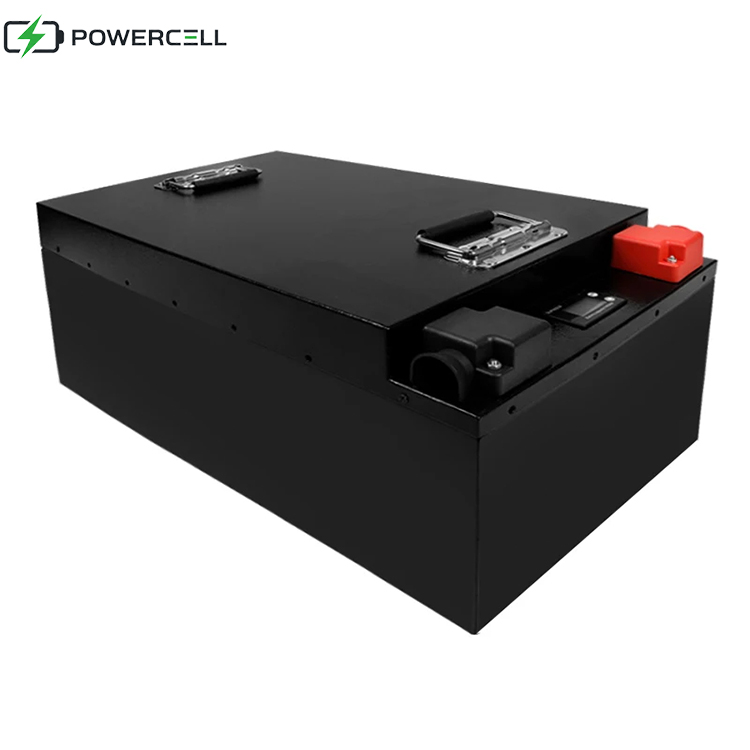
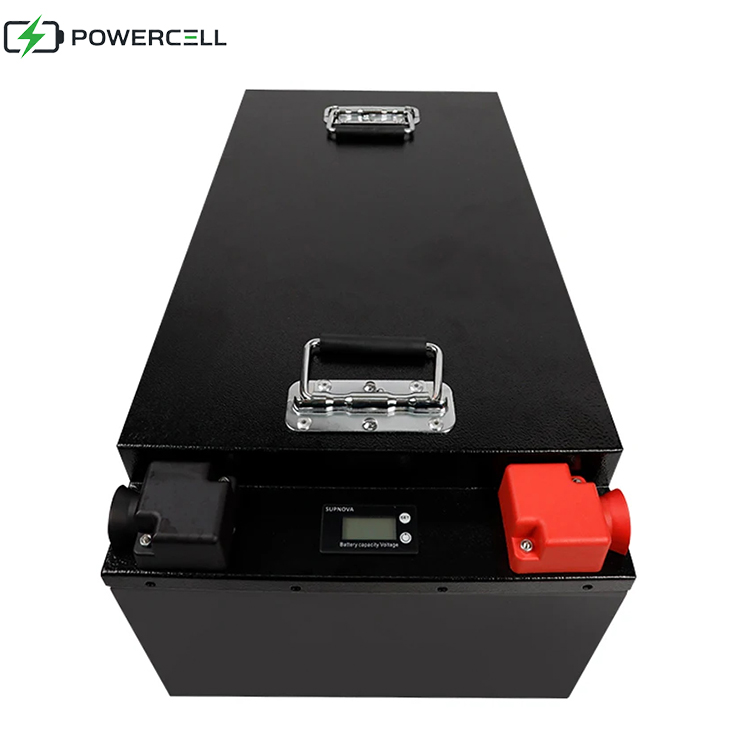
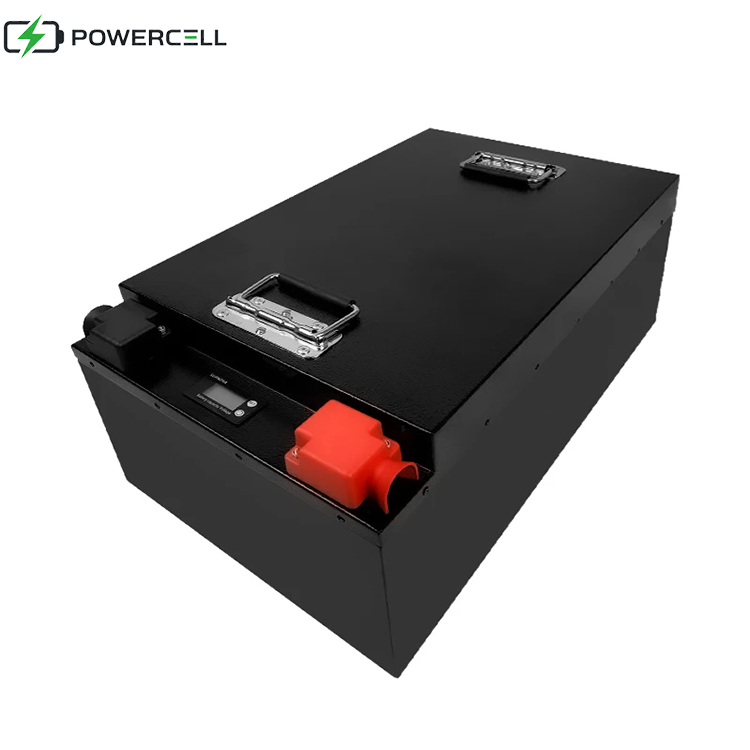
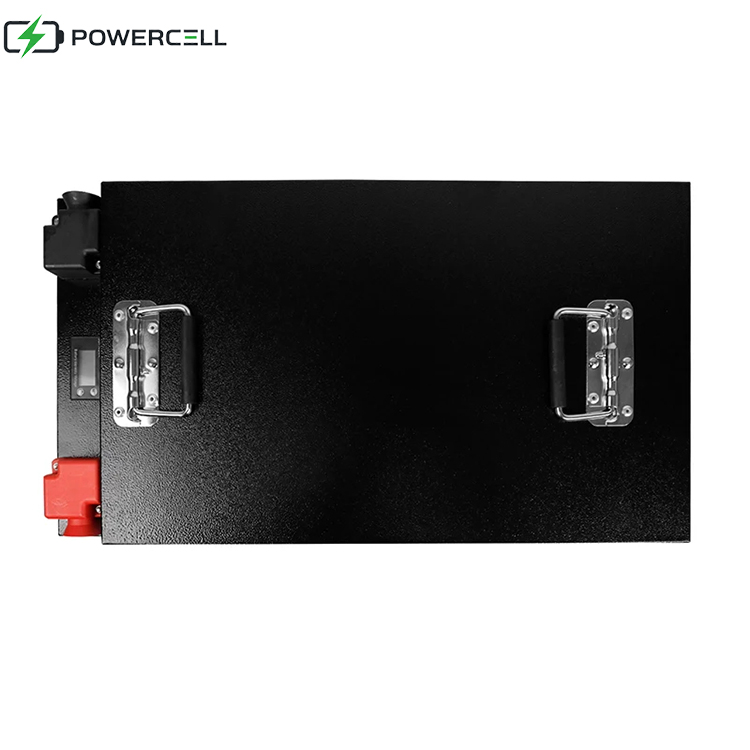
Пришлите нам ваше приложение, напряжение, емкость, размер батареи, количество и потребности в брендинге. BYingPower рассмотрит ваш проект и порекомендует подходящее решение на основе LiFePO4 аккумуляторов для гольф-каров, RV, морских систем, солнечных батарей, вилочных погрузчиков или замены свинцово-кислотных.
Индивидуальный обзор батарейных блоков для вашего применения
Руководство по изготовлению батарей для OEM/ODM и частных производителей
BMS, зарядное устройство, терминалы, нагрев и поддержка упаковки
Ускоренная обработка предложений для образцов и оптовых заказов
4-й этаж, корпус А, д. 2, 2-я улица Лунцзян, Сякен, город Цинси, провинция Дунгуань, Китай.
Аккумуляторы для гольф-каров, предназначенные для использования в холодном климате: стоит ли выбирать модели с функцией самонагрева?
Функция самонагрева кажется очевидным преимуществом литиевых аккумуляторов для гольф-каров в зимний период, но многие покупатели платят за нее, не понимая, когда включается нагреватель, откуда он получает питание и действительно ли система управления аккумулятором (BMS) блокирует небезопасную зарядку. Вот расчеты, касающиеся эксплуатации в холодную погоду, которые поставщики редко приводят.
Литиевая батарея для гольф-кара, обеспечивающая мощное ускорение, предсказуемый запас хода и экологически чистую зарядку при температуре 20 °C, может вести себя совершенно иначе после двенадцати часов пребывания на улице при температуре -10 °C, особенно если её зарядное устройство, система управления батареей (BMS), нагреватель, теплоизоляция и датчики температуры были выбраны как отдельные коммерческие характеристики, а не разработаны как единая система.
Так стоит ли платить за функцию самонагрева?
Мой ответ будет прямолинейным: Да, если речь идет о гольф-карах, которые регулярно хранятся или заряжаются при температуре ниже нуля; скорее всего, нет, если кара хранится в отапливаемом гараже и используется только в теплые дни.
Это различие имеет значение, поскольку термин “самонагревающаяся батарея” становится маркетинговым штампом. Некоторые аккумуляторные блоки нагреваются автоматически. Некоторые нагреваются только после подключения зарядного устройства. Некоторые расходуют накопленную энергию батареи. Другие работают от внешнего источника переменного тока. А некоторые просто оснащены защитой от низких температур, хотя продавцы в общем плане описывают их как «нагреваемые».
Это не равнозначные продукты.
Почему аккумуляторы гольф-каров теряют производительность в холодную погоду
Литий-железо-фосфат, или LiFePO₄, по-прежнему остается одним из лучших типов аккумуляторов для гольф-каров, поскольку отличается ровной кривой разряда, высоким количеством циклов заряда-разряда, меньшим весом по сравнению со свинцово-кислотными аккумуляторами и высокой термической стабильностью. Однако LiFePO₄ не может избежать законов общей электрохимии.
При более низких температурах:
Проводимость электролита снижается.
Темпы развития литий-ионных технологий замедляются.
Внутреннее сопротивление растёт.
При ускорении падение напряжения усиливается.
Снижаются доступная мощность и полезная производительность.
Зарядка становится гораздо более чувствительным процессом, чем разрядка.
Последний пункт вызывает наибольшие трудности.
Даже холодный аккумулятор может привести тележку в движение, но впоследствии отказаться заряжаться. Владельцы часто считают, что это связано с неисправностью зарядного устройства, выходом из строя системы управления аккумуляторной батареей (BMS) или полной разрядкой аккумуляторной батареи. Во многих случаях система BMS намеренно размыкает цепь зарядки, поскольку один или несколько датчиков температуры сигнализируют о небезопасном состоянии.
Министерство энергетики США сообщило, что емкость литий-ионных аккумуляторов может снижаться на целых 65% при понижении температуры испытаний с 25 °C до -40 °C. Эта цифра относится к более широким исследованиям литий-ионных аккумуляторов, а не к конкретной батарее для гольф-кара, но она показывает, насколько сильно низкие температуры могут влиять на сопротивление элементов, напряжение и полезную энергию. В том же материале Министерства энергетики в качестве основных проблем при температурах ниже нуля указаны низкая ионная проводимость, замедленный перенос лития и отложение лития. Ознакомьтесь с исследованиями Министерства энергетики США в области низкотемпературных аккумуляторов.
Суровая правда?
Разрядка аккумулятора в холодную погоду доставляет неудобства. Зарядка аккумулятора в холодную погоду может привести к его повреждению.
Почему зарядка при температуре ниже нуля — это реальная опасность
При нормальной зарядке литиевой батареи ионы лития проникают в графитовый анод. Если элемент слишком холодный, этот процесс проникновения замедляется. Если зарядный ток продолжает протекать с неподходящей интенсивностью, металлический литий может накапливаться на поверхности анода вместо того, чтобы надлежащим образом накапливаться внутри него.
Это и есть нанесение литиевого покрытия.
Осаждение лития может привести к снижению ёмкости, увеличению внутреннего сопротивления, сокращению срока службы и возникновению проблем с безопасностью. Повреждения могут не проявляться в виде мгновенного резкого отказа. Аккумулятор может казаться исправным после прогрева, хотя на самом деле в нём уже произошло необратимое внутреннее изнашивание.
Именно поэтому многие литиевые аккумуляторы для гольф-каров допускают разрядку при температурах, например, -20 °C, но блокируют зарядку при температуре около 0 °C. Точные пределы зависят от типа элементов, конструкции аккумуляторного блока, настроек системы управления аккумулятором (BMS), зарядного тока, расположения датчиков и разрешений производителя.
Не следует полагать, что указание “рабочая температура: от -20 °C до 60 °C” означает, что аккумулятор можно заряжать в пределах всего этого диапазона. В профессиональном техническом паспорте должны быть указаны отдельно укажите температуру заряда, температуру разряда и температуру хранения.
Для покупателей, сравнивающих Варианты литиевых аккумуляторов для гольф-каров, что именно это разделение имеет большее значение, чем расплывчатый ярлык “для любых погодных условий”. Ассортимент продукции CoreSpark включает платформы с различными напряжениями, а с технической точки зрения в нем также проводится различие между защитой от зарядки при низких температурах и обычным режимом разряда.
Как на самом деле работает самонагревающийся литиевый аккумулятор для гольф-кара
Самонагревающийся литиевый аккумулятор для гольф-кара использует встроенные нагревательные элементы, датчики температуры и систему управления BMS для повышения температуры элементов перед началом обычной зарядки.
Тепло — это полезно.
Однако нагреватель — это не волшебство, и он не способен исправить такие проблемы, как неудачное расположение датчиков, слабая теплоизоляция, несовместимое зарядное устройство, BMS недостаточной мощности или алгоритм нагрева, который включается слишком поздно и отключается до того, как самые холодные элементы достигнут приемлемой температуры.
Правильно сконструированная аккумуляторная батарея LiFePO4 с системой подогрева для гольф-кара, как правило, имеет следующую схему:
Зарядное устройство подключено или поступил запрос на нагрев.
Система управления зданием (BMS) считывает показания температуры с одного или нескольких датчиков.
Если температура элемента ниже заданного порогового значения заряда, нормальный заряд по-прежнему блокируется.
Внутренние нагревательные прокладки или пленки обеспечивают нагрев элементов аккумулятора.
Система управления зданием (BMS) подтверждает, что требуемая температура достигнута.
Отопление прекращается или его интенсивность снижается.
Начинается обычная зарядка аккумулятора LiFePO4.
Эта последовательность действий кажется простой. Но это не так.
Датчик температуры может располагаться рядом с центральными элементами, на внешней стенке, на плате системы управления батареей (BMS) или на нагревательной пластине. Датчик, установленный в самой теплой части корпуса, может давать разрешение на зарядку, в то время как элементы, расположенные рядом с внешней металлической панелью, остаются более холодными. Одно показание температуры не отражает автоматически состояние всего аккумуляторного блока.
Три архитектурные решения систем отопления, с которыми чаще всего сталкиваются покупатели
Обогрев от зарядного устройства использует поступающую от зарядного устройства энергию для прогрева аккумулятора перед подачей значимого зарядного тока на элементы. Такой подход зачастую является оптимальным для тележек, подключенных к надежному источнику переменного тока, поскольку прогрев не требует значительных затрат заряда, обеспечивающего запас хода.
Отопление на аккумуляторах draws energy from the battery itself. It can work without AC power, but it may deepen discharge during long cold periods. That is a serious concern if the pack already has low state of charge or if accessories create parasitic loads.
Hybrid heating can draw from the charger when connected and from the battery under selected conditions. This gives more flexibility but requires careful minimum-state-of-charge logic, fuse protection, thermal controls, and documented failure behavior.
Which architecture is being quoted?
Many sales pages never say.
Penn State researchers demonstrated how effective rapid internal heating can be under controlled conditions. Their all-climate lithium-ion cell warmed from -20°C to 0°C in about 20 seconds while consuming roughly 3.8% of cell capacity; warming from -30°C to 0°C took about 30 seconds and used approximately 5.5%. The research design reportedly added 1.5% to cell weight and 0.04% to base battery cost. Penn State’s self-heating battery study is not a specification for commercial golf cart packs, but it proves that controlled internal heating can cost less energy than operating a conventional cold battery.
And that is the important distinction: the concept works, but the quality of commercial execution varies.
The Energy Math Behind Internal Heating
Buyers often ask whether the heater will drain the battery. The honest answer depends on heater wattage, heating duration, insulation, starting temperature, pack mass, and whether the energy comes from AC power or the battery.
Consider an illustrative 51.2V 100Ah LiFePO4 battery:
Nominal stored energy: 51.2V × 100Ah = 5.12kWh
A 200W heater running for 30 minutes: 0.10kWh
Estimated share of nominal battery energy: about 1.95%
A 300W heater running for 45 minutes: 0.225kWh
Estimated share of nominal battery energy: about 4.39%
These figures are examples, not universal heater specifications. Still, they expose why vague claims such as “minimal power consumption” are useless.
Ask for watts and minutes.
A heater that consumes 0.10kWh before charging may be a sensible trade when it prevents the BMS from blocking an entire morning’s operation. But a battery-powered heater cycling repeatedly through a two-day cold snap can become a meaningful parasitic load.
Insulation also changes the calculation. An uninsulated aluminum enclosure loses heat faster than a well-insulated pack with controlled thermal pathways. More heater wattage may produce worse results if most of the energy warms the casing and outside air rather than the cell mass.
When Self-Heating Pays for Itself
For a private owner, the financial return is usually measured in convenience and avoided damage. For a fleet, the calculation becomes more direct.
Suppose ten carts must be available at 7:00 a.m. A cold-protection shutdown delays each cart by 45 minutes while staff move batteries, warm buildings, reset chargers, or diagnose a “failure” that is actually temperature protection.
Even without battery damage, repeated winter delays create labor cost, missed rentals, maintenance calls, and dissatisfied customers.
Fleet buyers should include those losses when calculating the return from lithium. CoreSpark’s guide to calculating golf cart fleet lithium ROI provides a broader framework for comparing purchase price with maintenance, replacement frequency, downtime, charging, and labor.
Is Self-Heating Worth It for Your Golf Cart?
Here is the practical answer.
Operating Scenario
Self-Heating Value
My Verdict
Main Reason
Battery stored in a heated garage above 5°C
Low
Usually skip it
The cells rarely reach the low-temperature charging cutoff
Occasional frosty mornings between 0°C and -5°C
Moderate
Useful, not mandatory
Prevents intermittent no-charge events and waiting
Cart stored outdoors all winter
High
Worth it
Cell temperature may stay below safe charging limits for hours
Daily fleet charging below freezing
Очень высокий
Treat it as a system requirement
Downtime and charging consistency outweigh the added cost
Operation around -10°C to -20°C
Очень высокий
Buy only with full thermal documentation
Heater power, insulation, sensing, and BMS logic become central
Long-term winter storage without AC power
Conditional
Heating alone is not enough
Stored energy, parasitic loads, and state of charge still need management
Mild climate with rare freezing nights
Low
Spend money elsewhere
Better BMS data, charger matching, and waterproofing may deliver more value
My unpopular opinion is that many recreational buyers overbuy heating while commercial buyers under-specify it.
A homeowner in Florida may pay extra for self-heating because it sounds premium. A course operator in Minnesota may order a “cold-rated” battery without asking whether the heater can operate from charger power, how many watts it draws, or how evenly it warms a 105Ah pack.
That is backwards.
Self-Heating Is Usually Worth It When
Self-heating makes commercial sense when several of these conditions apply:
The cart is regularly parked outdoors.
Charging begins before sunrise.
Ambient temperature stays below 0°C for several hours.
The pack cannot be easily moved indoors.
Fleet availability matters more than the lowest purchase price.
Staff cannot manually warm or monitor every vehicle.
Cold-related BMS shutdowns would interrupt rentals, patrol work, maintenance, or transportation.
The battery supplier can document heater operation and temperature protections.
Self-Heating Is Probably Not Worth It When
Skip the feature when the battery stays in a heated space, freezing conditions are rare, and charging can wait until the pack warms naturally.
But do not confuse “no heater needed” with “no cold protection needed.” A non-heated battery should still have reliable low-temperature charging cutoff, accurate sensors, and clear fault reporting.
A heater is optional in some climates.
Protection is not.
What Suppliers Rarely Put in the Headline
The best golf cart batteries for cold weather are not simply the packs with the biggest heater.
They are the packs with transparent thermal engineering.
Before approving a self-heating lithium golf cart battery, request written answers to the following questions:
What Temperature Starts and Stops Heating?
You need both numbers.
A pack might begin heating at -5°C and stop at 5°C. Another may activate just below 0°C and permit charging immediately at 0°C. Those strategies create different warm-up times and safety margins.
Ask whether the threshold is based on the coldest sensor, warmest sensor, average temperature, or a single probe.
Where Does the Heater Get Its Power?
“Automatic heating” does not answer this.
Confirm whether power comes from:
The connected charger
Stored battery energy
An external auxiliary input
A combination of sources
Also ask whether normal charging current remains fully blocked during preheating.
What Is the Total Heater Wattage?
Get an actual watt figure, not “fast heating.”
A 100W heater and a 400W heater will behave differently in a 30kg to 50kg battery pack. Yet wattage alone does not prove performance. Cell arrangement, heater coverage, insulation, thermal contact, and ambient airflow matter.
How Many Temperature Sensors Are Installed?
One sensor is cheap.
It may also miss a cold outer cell or a heater hot spot. Larger packs should be evaluated for temperature spread, not just one reading displayed in a Bluetooth application.
Can the BMS Show Heating Status?
A useful smart BMS should tell the operator whether the pack is:
Too cold to charge
Actively heating
Warm enough to charge
Experiencing a heater fault
Blocking charging for another reason
Without that information, technicians waste time guessing. CoreSpark’s guide to diagnosing a lithium golf cart battery that will not charge explains how cold protection, charger mismatch, wiring faults, and BMS sleep states can create similar symptoms.
Is the Charger Matched to the Pack?
A heater cannot correct an unsuitable charger profile.
Charging current, maximum voltage, connector polarity, communication, temperature behavior, and BMS settings must all agree. Buyers comparing 15A, 20A, and 25A charging should review the actual charging-time and electrical-load tradeoffs in this golf cart lithium charger amperage comparison.
And no, the highest current is not automatically the best winter charger. A battery that has only just crossed its minimum charging temperature may require controlled current rather than an immediate maximum-rate charge.
Real-World Evidence: Heating Helps, but Pack Quality Still Rules
Battery companies increasingly treat cold performance as a competitive target. In July 2023, CATL said new electrolyte materials could improve battery charging efficiency by 50% at -20°C and 43% under more typical conditions. Reuters also noted that cold slows electrochemical reactions and creates additional energy demand. Read the Reuters report on CATL’s cold-weather battery work.
That announcement tells us two things.
First, cold performance is not a solved problem. Second, battery manufacturers are attacking it through multiple routes: heating, electrolytes, cell design, BMS control, and thermal management.
Do not let a heater distract from the rest of the pack.
In March 2023, the U.S. Consumer Product Safety Commission recalled about 7,250 RELiON InSight Series 48V lithium batteries used in golf carts and other vehicles after five reports of overheating. The recall does not prove that self-heating caused the failures, and it should not be misrepresented that way. It does show that voltage, cell quality, BMS behavior, assembly, thermal protection, and traceability all matter in a commercial traction battery. Review the CPSC RELiON recall.
The charger deserves equal scrutiny. A separate CPSC recall covered about 19,000 Lester Electrical golf cart chargers after 12 reports of control boards showing overheating or burning. That case involved charger hardware, not cold-weather heating, but it reinforces a point the golf cart industry often avoids: charging safety belongs to the complete system, not the battery label alone.See the CPSC golf cart charger recall.
No single feature proves quality.
Not Bluetooth. Not heating. Not a metal enclosure. Not a claimed 5,000-cycle lifespan.
How to Protect Golf Cart Batteries in Winter
Winter protection begins before the first freezing morning.
Keep the battery dry. Inspect cable lugs, charger connectors, seals, strain reliefs, and enclosure drains. Water intrusion combined with road salt, condensation, or damaged connector insulation can create faults that look like temperature problems.
Monitor actual battery temperature through the BMS when that data is available. Ambient air temperature is not the same as cell temperature. A battery that spent the night in an unheated enclosure may remain cold after the surrounding air begins warming.
Do not force charging by bypassing the BMS, warming the sensor with a handheld heater, increasing charger voltage, or repeatedly resetting low-temperature protection. Those shortcuts defeat the system designed to protect the cells.
And investigate sudden winter range loss methodically. Tire pressure, thickened gearbox lubricant, increased rolling resistance, voltage sag, accessory loads, cell imbalance, and cold-related capacity loss can occur together. CoreSpark’s nine checks for sudden lithium golf cart range loss provides a structured diagnostic path rather than assuming the battery has reached end of life.
For long-term storage:
Follow the manufacturer’s recommended storage state of charge.
Disconnect unnecessary accessories and DC-DC loads.
Check battery state periodically.
Avoid leaving a depleted pack in freezing conditions.
Do not rely on the heater to manage months of unattended storage.
Use a dry location with stable ventilation and temperature where possible.
Вопросы и ответы
Что такое самонагревающийся аккумулятор для гольф-кара?
A self-heating golf cart battery is a lithium iron phosphate battery pack with internal heating elements, temperature sensors, and BMS logic that warms the cells before charging when they are below the manufacturer’s safe charge threshold, usually near 0°C or 32°F, while still allowing controlled discharge at lower temperatures.
Some systems use charger power, while others consume energy stored in the battery. Buyers should confirm the heating source, activation temperature, shutoff temperature, wattage, sensor count, and minimum state of charge.
Стоит ли покупать самонагревающиеся аккумуляторы для гольф-каров?
Self-heating is worth the extra cost when a golf cart is stored or charged outdoors in repeated freezing conditions, because the feature can reduce no-charge events, operator delays, and cold-related charging damage; it is usually unnecessary when the battery remains in a heated garage above about 5°C or 41°F.
For commercial fleets, the decision should include downtime, labor, lost rentals, and morning availability rather than battery purchase price alone.
Можно ли заряжать аккумуляторы LiFePO4 для гольф-каров при температуре ниже нуля?
Most LiFePO4 golf cart batteries can discharge below freezing within their specified limits, but many should not accept charge current near or below 0°C unless the manufacturer approves low-temperature charging or the pack first warms itself, because cold charging can promote lithium plating and permanent capacity loss.
Always follow the battery’s separate charging-temperature specification. A broad operating-temperature range is not enough evidence that subzero charging is allowed.
Какие аккумуляторы для гольф-каров лучше всего подходят для холодной погоды?
The best golf cart batteries for cold weather combine a documented low-temperature charge cutoff, automatic internal heating, accurate cell-level temperature sensing, a matched charger, visible BMS fault data, sealed connectors, proper insulation, and warranty language that clearly states the allowed charging, discharging, and storage temperature ranges.
Ignore vague “all-season” claims unless the supplier provides heater wattage, warm-up test data, sensor locations, protection thresholds, and full charger specifications.
Как защитить аккумуляторы гольф-каров зимой?
To protect golf cart batteries in winter, keep the pack dry, store it within the manufacturer’s state-of-charge and temperature limits, disconnect parasitic accessories, use only the approved charger, avoid charging a frozen pack, inspect cables and connectors, and verify through the BMS that cell temperature is safe before charging.
Never bypass low-temperature protection or use uncontrolled heat sources such as open flames, heat guns, or heaters placed directly against the battery enclosure.
Your Next Step: Specify the Heating System, Not Just the Feature
Do not request “a heated battery” and assume every supplier means the same thing.
Specify the cart voltage, battery capacity, lowest expected temperature, outdoor storage duration, charging schedule, available AC power, required warm-up time, heater wattage, power source, BMS communication, sensor count, enclosure rating, charger output, and warranty conditions.
For dealer, fleet, wholesale, or private-label projects, review CoreSpark’s Возможности по изготовлению аккумуляторов LiFePO4 на заказ по схемам OEM и ODM and request a written cold-weather configuration rather than accepting a generic product listing. The site lists low-temperature heating, smart BMS programming, Bluetooth monitoring, charger matching, CAN/RS485 communication, and customized pack development among its available options.
Then put the supplier’s claims under pressure.
Ask for cold-start data. Ask where the sensors sit. Ask how much energy the heater consumes. Ask what happens when state of charge is low. Ask whether the battery heats from charger power or drains itself.
A good supplier will answer with numbers.
A weak one will answer with adjectives.
Обновления рассылки
Введите свой Email ниже и подпишитесь на рассылку новостей
Компания BYingPower поставляет аккумуляторные батареи LiFePO4 по схеме OEM, оптом и по индивидуальным заказам для гольф-каров, автофургонов, вилочных погрузчиков, систем накопления солнечной энергии, судовых энергетических систем, а также в качестве замены свинцово-кислотных аккумуляторов. Мы оказываем поддержку производителям аккумуляторов, дистрибьюторам, дилерам, системным интеграторам и OEM-заказчикам, предлагая надежные решения на основе литиевых аккумуляторов, интеллектуальные системы управления аккумуляторными батареями (BMS), услуги по производству под собственной торговой маркой, а также содействие в оформлении экспортной документации.