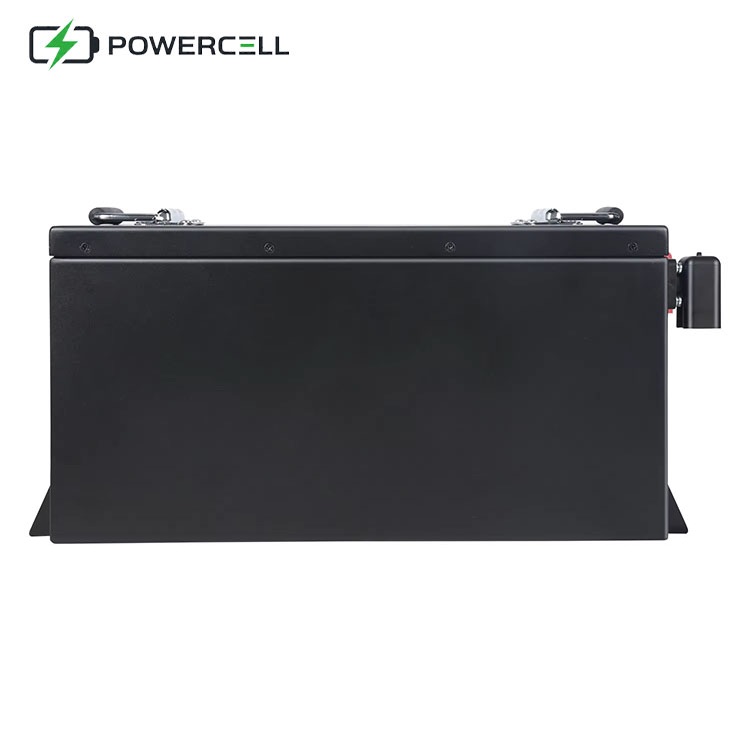
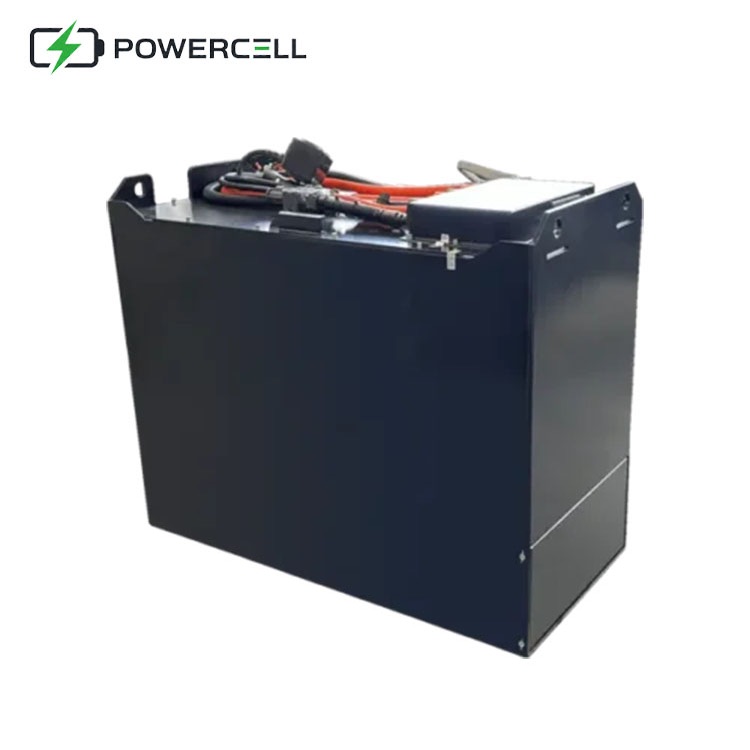
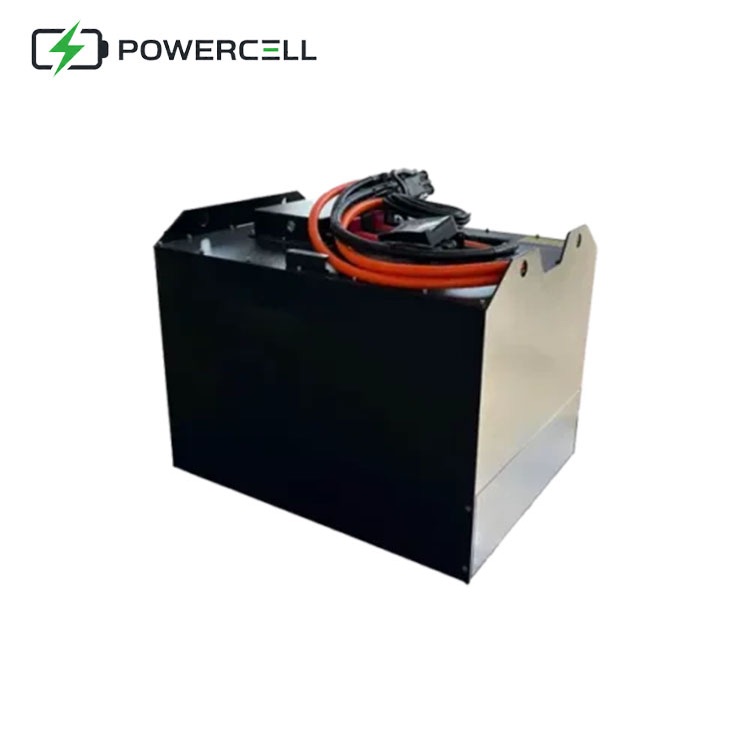
Пришлите нам ваше приложение, напряжение, емкость, размер батареи, количество и потребности в брендинге. BYingPower рассмотрит ваш проект и порекомендует подходящее решение на основе LiFePO4 аккумуляторов для гольф-каров, RV, морских систем, солнечных батарей, вилочных погрузчиков или замены свинцово-кислотных.
Индивидуальный обзор батарейных блоков для вашего применения
Руководство по изготовлению батарей для OEM/ODM и частных производителей
BMS, зарядное устройство, терминалы, нагрев и поддержка упаковки
Ускоренная обработка предложений для образцов и оптовых заказов
4-й этаж, корпус А, д. 2, 2-я улица Лунцзян, Сякен, город Цинси, провинция Дунгуань, Китай.
Жесткий взгляд на 72 В гольф-карт батареи дизайн, почему дешевые литиевые преобразования не удается, и как покупатели должны оценить пользовательские LiFePO4 пакетов, прежде чем разместить оптовый заказ.
Грязный секрет, скрывающийся за ценовыми предложениями на аккумуляторы для гольф-каров “72 В”
Технические характеристики — это обман.
A 72V golf cart battery quote can look clean on paper, especially when the supplier throws in familiar words like LiFePO4, Bluetooth BMS, fast charger, 100Ah, 105Ah, 160Ah, and “drop-in replacement,” but those labels do not tell you whether the pack will survive a steep course, rental-fleet abuse, controller surge current, heat, vibration, or the owner who plugs in the wrong charger at 11 p.m.
So what are you actually buying?
You are not buying voltage. You are buying a power system. That means cells, busbars, casing, BMS logic, charger profile, communication protocol, cable gauge, mounting geometry, and after-sales documentation. Miss one of those, and the “best 72V golf cart battery” becomes a very expensive troubleshooting job.
For B2B buyers, the real question is not “Can you sell me a 72V lithium golf cart battery?” The better question is: can the supplier engineer a custom 72V golf cart battery around the controller, motor, compartment, peak current, climate, usage cycle, and warranty expectations?
That is where custom work matters.
CoreSpark's OEM/ODM LiFePO4 battery pack capabilities are worth studying because the page focuses on the boring details that serious buyers actually need: voltage, capacity, size, casing, terminal layout, connector type, communication, heating, charger matching, labels, packaging, and sample validation. Boring wins. In batteries, boring is usually safer.
Почему LiFePO4 выигрывает в борьбе за замену аккумуляторов в гольф-карах
Lead-acid had a good run. I will not pretend otherwise.
Flooded lead-acid batteries powered golf carts for decades because they were cheap, familiar, serviceable, and easy to source. But the economics have shifted. Labor got expensive. Fleet downtime got expensive. Battery swapping got old. And customers now expect carts to run longer, charge faster, and display real state-of-charge data instead of vague voltage guesses.
That is why the 72V lithium golf cart battery market is moving toward LiFePO4, also written as LFP or lithium iron phosphate.
The chemistry matters. LiFePO4 uses lithium iron phosphate as the cathode material, typically with a nominal cell voltage around 3.2V. A so-called 72V LiFePO4 golf cart battery is often built as a 24-series pack, giving about 76.8V nominal voltage. That detail scares people who only read labels, but it is normal in the industry. The real issue is whether the controller, charger, contactor, cable set, and BMS are matched properly.
Reuters reported in 2024 that lithium iron phosphate cell prices had fallen to around $59/kWh in September, with some transactions near $50/kWh, according to Benchmark Mineral Intelligence. That price drop is not just an EV story; it changes the math for golf cart battery replacement, distributor programs, and private-label battery lines too: Reuters battery cell price report.
But cheaper cells do not automatically mean better packs.
That is the trap.
A low-cost 72 volt golf cart battery pack can still fail if the BMS is undersized, the casing traps heat, the charger profile is wrong, the terminals are poorly placed, or the supplier cannot provide consistent batch documentation. I have a blunt opinion here: buyers obsess over Ah ratings because they are easy to compare, while the real risk hides in current handling, thermal design, and pack integration.
CoreSpark's custom Bluetooth LiFePO4 golf cart battery page points to the kind of features buyers should question closely: cycle life claims, weight reduction, 200A BMS protection, over-charge protection, over-discharge protection, temperature protection, and short-circuit protection. Do not just copy those features into a spec sheet. Ask how they are tested.
Индивидуальная разработка аккумулятора для гольф-кара на 72 В: что на самом деле следует адаптировать под конкретные требования?
Most “custom” battery projects are not custom.
They are a standard pack with a new sticker.
That may be fine for a small dealer selling into predictable carts, but it is not enough for OEM buyers, fleet operators, rental companies, and distributors who need repeatable performance across multiple cart models and regions. A real custom 72V golf cart battery program should start with the vehicle, not the battery catalog.
Совместимость платформы напряжения и контроллера
The first decision is voltage architecture. A 72V golf cart battery must match the controller’s acceptable voltage range, low-voltage cutoff behavior, high-voltage tolerance, regenerative braking logic, and current draw. For LiFePO4, a “72V” system may be closer to 76.8V nominal, and the fully charged voltage can be higher than old lead-acid expectations.
This is where lazy conversions fail. A cart may move on day one, then throw controller errors, shut down under hill load, or damage accessories because nobody checked the actual electrical limits.
CoreSpark's 36V 48V 72V LiFePO4 battery product option gives a useful internal-link target for buyers comparing multi-voltage golf cart platforms, especially when the project includes Bluetooth monitoring and capacity options from 50Ah to 160Ah.
Емкость, время работы и честные расчёты ампер-часов
Ah is not runtime by itself. There, I said it.
A 72V 100Ah pack stores roughly 7.2 kWh at nominal voltage. A 76.8V 105Ah LiFePO4 pack stores roughly 8.06 kWh. But real runtime depends on terrain, payload, tire size, controller efficiency, driving speed, ambient temperature, and how deeply the BMS allows discharge.
For dealers, I would rather see three tested runtime profiles than one glossy “up to X miles” claim. Give me flat course, mixed terrain, and hill-load numbers. Give me payload assumptions. Give me current logs. Give me cut-off behavior under surge. Anything less is marketing.
Номинальный ток и поведение при импульсных перенапряжениях системы управления батареей (BMS)
A 72V LiFePO4 golf cart battery is only as strong as its BMS under real load.
The BMS should protect against overcharge, over-discharge, over-current, short circuit, and high/low temperature. But the rating must match the cart. A casual neighborhood cart and a lifted cart with big tires are not the same animal. A rental cart carrying four adults uphill is not the same as a private cart rolling across flat pavement.
A 200A BMS may sound strong, and in many golf cart applications it is, but the better question is whether that rating is continuous, peak, time-limited, temperature-dependent, and validated inside the final enclosure.
Подбор зарядного устройства — это не просто дополнительная опция
Charger mismatch is one of the ugliest ways to ruin a lithium conversion.
USFA/FEMA’s battery safety guidance warns users not to charge lithium-ion batteries below 32°F / 0°C or above 105°F / 40°C, and that advice should make every golf cart buyer ask about temperature sensors, low-temperature charge protection, and correct charger profiles: USFA battery fire safety guidance.
The charger must match the chemistry, series count, voltage ceiling, charge current, connector, cooling environment, and customer behavior. A custom 72V golf cart battery solution should include charger matching by default, not as an afterthought.
Установка, корпус и прокладка кабеля
This part is not glamorous. It makes or breaks installs.
Battery dimensions, hold-down points, terminal direction, waterproof rating, handle design, LCD placement, Bluetooth antenna position, fuse access, service disconnects, and cable routing all affect installation time. For distributors, installation time is money. For OEMs, variation is poison.
CoreSpark's LiFePO4 battery case studies page emphasizes application review, sample validation, BMS configuration, charger compatibility, connector requirements, and packaging alignment. That is exactly the process buyers should demand before a bulk order.
Свинцово-кислотные аккумуляторы против нестандартных 72-вольтовых LiFePO4: сравнение, которое следует провести покупателям
Фактор
Traditional Lead-Acid Golf Cart Bank
Custom 72V LiFePO4 Golf Cart Battery
Typical usable energy
Lower usable depth of discharge; voltage sag is common under load
Higher usable capacity when BMS and controller are matched
Вес
Heavy, often hundreds of pounds across a full pack
Often 40%–60% lighter depending on pack design and casing
If a buyer only cares about the lowest invoice, lead-acid still has a place. But if the buyer cares about lifetime operating cost, install consistency, cleaner service, runtime, and brand reputation, a custom 72V lithium golf cart battery becomes the serious option.
Именно в вопросах безопасности у любительских продавцов аккумуляторов выявляются их слабые места
Lithium batteries are not dangerous because they are lithium. They become dangerous when design, charging, certification, documentation, and user behavior are treated casually.
OSHA’s powered industrial truck guidance says battery charging should happen in designated areas, with trucks positioned properly and brakes applied before changing or charging batteries: OSHA battery charging guidance. Golf carts are not forklifts, but the principle transfers cleanly: charging is a controlled process, not a random extension-cord ritual.
The National Transportation Safety Board has also warned that high-voltage lithium-ion battery fires can expose responders to electric shock, thermal runaway, and reignition risks: NTSB lithium-ion battery fire safety study.
That is why custom pack buyers should demand documentation, not vibes.
Ask for the BMS specification. Ask for cell grade. Ask for charger data. Ask for UN38.3 shipping documentation when applicable. Ask for MSDS/SDS files. Ask for cycle-test assumptions. Ask for the warranty conditions in writing. Ask whether the supplier can support private-label packaging without hiding the technical identity of the pack.
And here is the hard truth: a supplier that cannot explain its BMS logic probably should not be building your 72V golf cart battery program.
Как выбрать аккумулятор для гольф-кара на 72 В, чтобы не остаться в накладе
Choosing a 72V golf cart battery is not about finding the biggest Ah number for the lowest price. It is about matching voltage, capacity, current rating, thermal protection, charger behavior, physical fitment, communication options, and warranty structure to the cart’s actual duty cycle.
Start with the cart.
Identify the controller brand, motor rating, existing voltage platform, accessory load, expected passenger weight, tire modifications, terrain, top speed, charging location, and daily mileage. Then build the battery around those facts. Not the other way around.
Here is the buyer checklist I would use before approving a custom 72V LiFePO4 golf cart battery:
Question
Почему это важно
Красный флаг
Is the pack truly designed for 72V golf cart use?
Controller compatibility depends on voltage range and current behavior
Supplier only says “universal”
What is the nominal and full-charge voltage?
Prevents controller overvoltage and charger mismatch
No clear series-count explanation
What is the BMS continuous and peak current?
Hill climbing and acceleration create surge loads
Only one vague “max current” number
What charger is included or recommended?
LiFePO4 requires correct voltage/current profile
Seller says old lead-acid charger is fine
Does it support Bluetooth, LCD, CAN, or RS485?
Fleets need SOC visibility and diagnostics
No monitoring or communication options
Are casing and terminals customizable?
Installation time depends on physical fit
Pack requires field modification
Can samples be validated before bulk order?
Reduces distributor and OEM risk
Supplier pushes bulk order immediately
What documents are available?
Shipping, customs, resale, warranty, and safety depend on paperwork
No datasheet, SDS, UN38.3, or warranty terms
For broader research, CoreSpark’s Руководства по аккумуляторам для гольф-каров page can support buyers comparing replacement logic, lithium trends, and golf cart-specific battery topics. If the buyer is replacing smaller lead-acid systems in other vehicles or equipment, the 12V LiFePO4 battery sizing guide is also a useful internal reference because the same sizing discipline applies: voltage first, then capacity, then load, then charger.
Чего профессиональные закупщики должны требовать от поставщика аккумуляторов, изготовленных на заказ
I do not trust “catalog-only” lithium sellers for serious golf cart programs.
A professional supplier should be able to handle OEM branding, distributor packaging, voltage-specific engineering, BMS parameter discussion, charger matching, technical drawings, sample review, batch consistency, and export-ready documentation. That is the difference between buying a battery and building a product line.
The U.S. Alternative Fuels Data Center notes that lithium-ion batteries offer high power-to-weight ratio, high energy efficiency, good high-temperature performance, long life, and low self-discharge, while also acknowledging that recycling economics remain a challenge: AFDC electric battery overview. That is a balanced view. Lithium is powerful, but it is not magic.
A custom 72V golf cart battery should be judged on:
Техническая совместимость
The pack should match the cart’s voltage, controller, current demand, and installation envelope. For a lifted golf cart, utility vehicle, resort fleet, or community transport cart, this is not optional.
Повторяемость производственного процесса
One good sample means nothing if bulk production drifts. Buyers need repeatable cells, repeatable BMS settings, repeatable casing, repeatable labels, and repeatable charger specs.
Поддержка бренда
Private-label buyers need cartons, user manuals, warranty cards, model labels, product photos, datasheets, and clean technical descriptions. A good battery line is not only built in the factory; it is built in the buyer’s sales channel.
Документация по технике безопасности
Ask for transport documents, battery safety information, charger details, and warranty limits. If the supplier cannot support documentation before payment, expect worse after payment.
Реалистичные требования
Any supplier promising impossible cycle life, miracle mileage, zero risk, and instant compatibility with every cart is selling fantasy. Walk away.
Вопрос о реальной стоимости: первоначальная цена или общая стоимость владения?
A cheap battery is not always cheap.
If a 72 volt golf cart battery pack fails early, triggers controller faults, causes customer returns, needs installation rework, or arrives with inconsistent labels and chargers, the hidden cost can be higher than the cell cost itself. For distributors and dealers, that cost appears as warranty labor, angry customers, negative reviews, unsellable inventory, and staff time wasted diagnosing avoidable mistakes.
The better buying model is total ownership cost.
That includes battery cost, charger cost, installation time, maintenance reduction, downtime reduction, freight risk, warranty structure, replacement interval, and resale confidence. A custom 72V golf cart battery should earn its price by reducing downstream chaos.
This is why I like the project-based approach shown on CoreSpark’s case studies and lithium battery project page. It frames battery sourcing as requirements review, solution design, sampling, validation, bulk production, quality control, and repeat supply. That is how mature buyers think.
Вопросы и ответы
Что такое аккумулятор для гольф-кара на 72 В?
Аккумуляторная батарея для гольф-кара на 72 В представляет собой высоковольтную тяговую аккумуляторную батарею, предназначенную для питания 72-вольтовых контроллеров, двигателей, освещения и дополнительного оборудования гольф-кара; как правило, она заменяет свинцово-кислотную батарею на более лёгкую систему на основе LiFePO4, которая включает в себя систему управления батареей (BMS), соответствующее зарядное устройство, кабельную разводку, крепления и систему контроля уровня заряда. В индивидуальных проектах аккумуляторная батарея может быть спроектирована на основе архитектуры LiFePO4 с номинальным напряжением 76,8 В, в зависимости от конструкции последовательно соединенных элементов и допуска контроллера.
Является ли литиевая батарея на 72 В для гольф-кара лучшим выбором, чем свинцово-кислотная?
Литиевая батарея на 72 В для гольф-кара, как правило, превосходит свинцово-кислотную, если покупатель ценит меньший вес, более быструю зарядку, меньшие затраты на обслуживание, большую полезную ёмкость, лучшую видимость уровня заряда и более длительный срок службы, однако она должна быть правильно подобрана с учётом контроллера, зарядного устройства, потребляемого тока и места для установки. Свинцово-кислотные аккумуляторы по-прежнему могут быть целесообразны для покупателей, которые ставят во главу угла минимальную первоначальную стоимость и готовы мириться с необходимостью технического обслуживания.
Как выбрать аккумулятор на 72 В для гольф-кара?
Чтобы выбрать аккумулятор на 72 В для гольф-кара, прежде чем определяться с емкостью в А·ч или сравнивать цены поставщиков, необходимо сначала уточнить диапазон напряжения контроллера гольф-кара, нагрузку на двигатель, пиковую потребляемую мощность, суточный пробег, рельеф местности, вес пассажиров, размеры аккумуляторного отсека, требования к зарядному устройству и потребности в системах мониторинга. Наиболее безопасный подход к покупке — ориентироваться в первую очередь на характеристики транспортного средства, а не на каталог.
Чем отличается аккумулятор для гольф-кара на 72 В, изготовленный на заказ?
Индивидуально изготовленная аккумуляторная батарея для гольф-кара на 72 В отличается тем, что такие параметры, как напряжение, ёмкость, корпус, расположение клемм, тип разъёма, настройки системы управления батареей (BMS), профиль зарядного устройства, интерфейс связи, мониторинг через ЖК-дисплей/Bluetooth, брендинг, упаковка и документация, могут быть разработаны с учётом конкретной модели гольф-кара, требований автопарка или программы дистрибьютора. Стандартный аккумуляторный блок может подходить по габаритам, но при этом не работать должным образом, если эти детали будут игнорироваться.
Какой химический состав аккумулятора для гольф-кара на 72 В является оптимальным?
Наилучшим типом химического состава 72-вольтовых аккумуляторов для гольф-каров в большинстве современных проектов по замене и оригинальному оснащению является LiFePO4, поскольку он обеспечивает стабильную литиевую химию, высокий потенциал циклической стойкости, высокую мощность, сниженные требования к обслуживанию и лучшую пригодность для применения в условиях интенсивной тяговой нагрузки по сравнению со многими недорогими свинцово-кислотными системами. Однако одного только химического состава недостаточно: решающую роль в обеспечении реальной производительности играют конструкция аккумуляторного блока и правильный подбор зарядного устройства.
Можно ли заменить свинцово-кислотный аккумулятор на аккумулятор LiFePO4 напряжением 72 В, предназначенный для гольф-каров?
Вы можете заменить свинцово-кислотный аккумулятор на 72-вольтовый аккумулятор LiFePO4 для гольф-каров, если перед установкой будут должным образом проверены номинальное напряжение литиевого аккумулятора, напряжение при полной зарядке, номинальный ток системы управления аккумулятором (BMS), габаритные размеры, расположение клемм, профиль зарядного устройства и совместимость контроллера. При правильной замене также следует проверить напряжение аксессуаров, размеры кабелей, надежность крепления, защиту предохранителями и привычки пользователя при зарядке.
Ваш следующий шаг: подбирайте аккумулятор исходя из особенностей тележки, а не из каталога
If you are sourcing a 72V golf cart battery for resale, OEM integration, fleet replacement, or private-label distribution, do not start with the cheapest 100Ah listing. Start with the cart model, controller limits, current demand, battery tray dimensions, charger expectations, branding plan, and warranty risk.
Then request a custom solution.
For buyers who need a 72V lithium golf cart battery, 72 volt golf cart battery pack, LiFePO4 golf cart battery replacement, or a private-label program, send the real project details first: voltage, capacity target, cart model, working current, installation space, charger requirement, order volume, certification needs, and target market.
CoreSpark can review those requirements through its OEM/ODM custom LiFePO4 battery program and help match the battery pack, BMS, charger, casing, connector, label, and packaging to the actual application. That is how you avoid the cheap-battery trap — and how you build a golf cart battery line that customers actually trust.
Обновления рассылки
Введите свой Email ниже и подпишитесь на рассылку новостей
Компания BYingPower поставляет аккумуляторные батареи LiFePO4 по схеме OEM, оптом и по индивидуальным заказам для гольф-каров, автофургонов, вилочных погрузчиков, систем накопления солнечной энергии, судовых энергетических систем, а также в качестве замены свинцово-кислотных аккумуляторов. Мы оказываем поддержку производителям аккумуляторов, дистрибьюторам, дилерам, системным интеграторам и OEM-заказчикам, предлагая надежные решения на основе литиевых аккумуляторов, интеллектуальные системы управления аккумуляторными батареями (BMS), услуги по производству под собственной торговой маркой, а также содействие в оформлении экспортной документации.