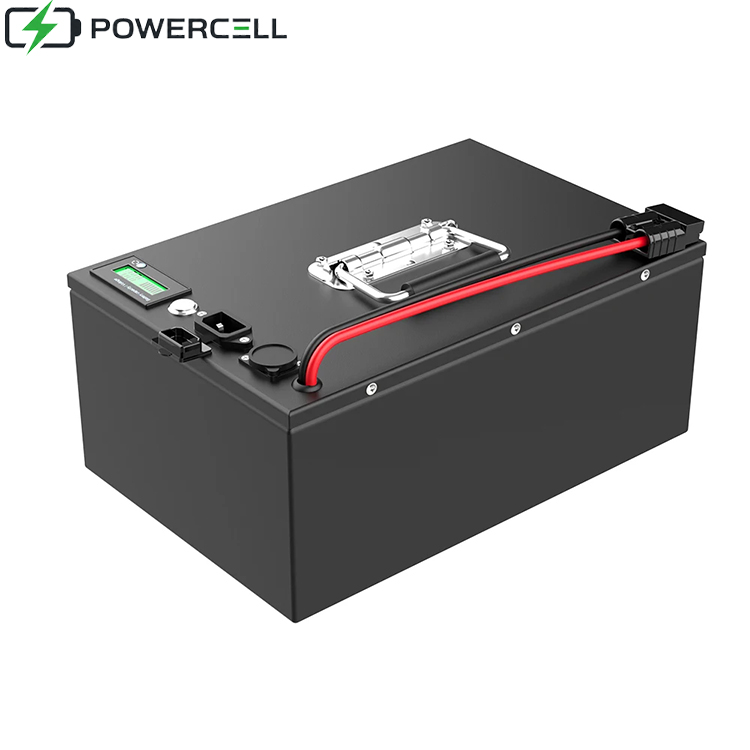
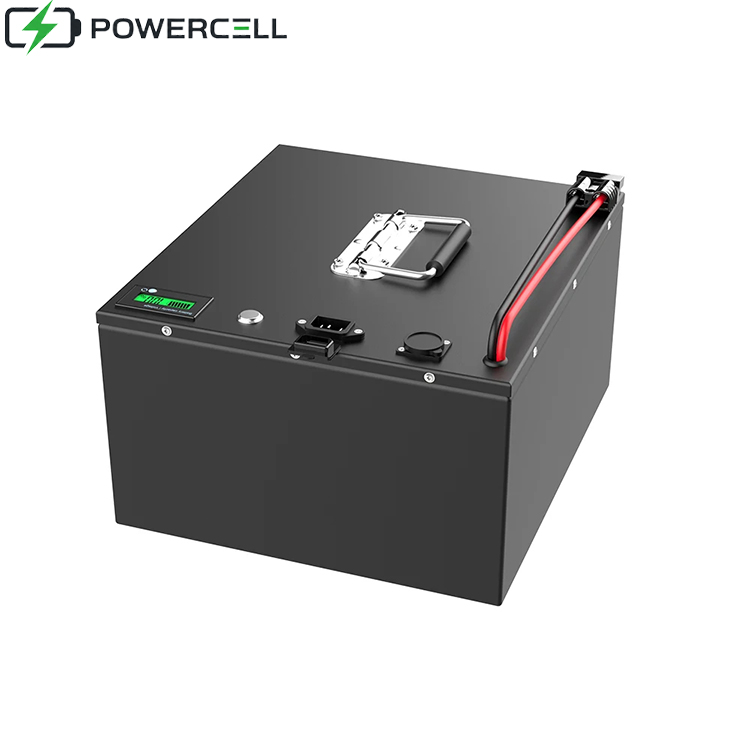
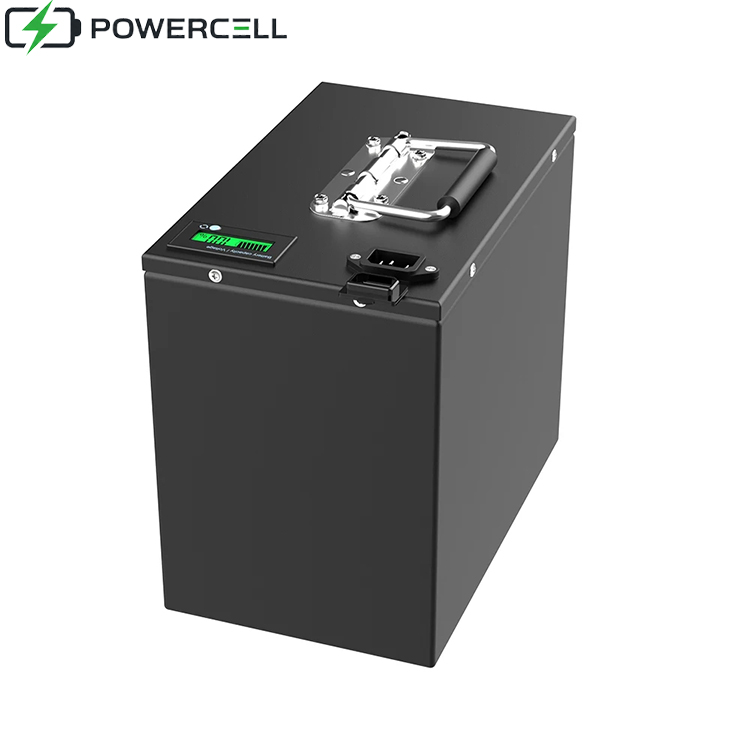
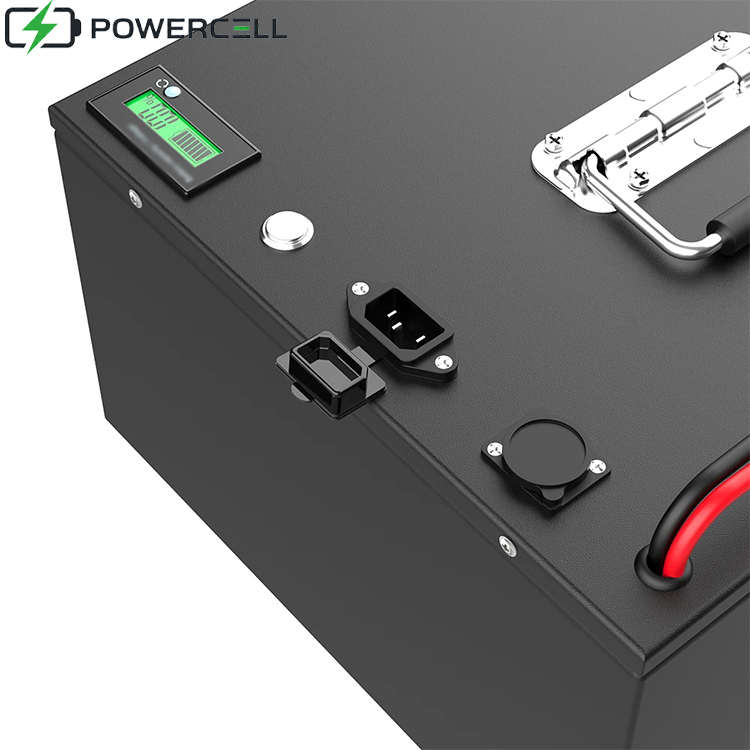
Send us your application, voltage, capacity, battery size, quantity, and branding needs. BYingPower will review your project and recommend the right LiFePO4 battery solution for golf carts, RVs, marine systems, solar storage, forklifts, or lead-acid replacement.
Custom battery pack review for your application
OEM/ODM and private-label battery guidance
BMS, charger, terminals, heating, and packaging support
Faster quote path for samples and bulk orders
4th Floor, Building A, No. 2, Longjiang 2nd Road, Xie Keng, Qingxi Town, Dongguan Province,China.
Golf Cart Battery Waterproof Ratings: IP65 vs IP67
IP65 protects a golf cart battery from dust and water jets, while IP67 addresses temporary immersion. The higher number does not settle every buying decision, especially when pressure washing, saltwater, connectors, aging seals, and installation quality enter the equation.
A golf cart battery may sit beneath a seat and look protected, yet wheel spray, blocked tray drains, wet grass, condensation, pressure washing, coastal air, damaged cable glands, and one badly seated service plug can expose the electronics to far more water than the sales brochure admits.
So why do buyers still accept the word “waterproof” without asking what was actually tested?
Here is my blunt answer: IP65 is often adequate for rain, dust, splashing, and controlled wash-down exposure, while IP67 is the stronger choice when accidental temporary immersion is credible. But IP67 does not automatically prove resistance to water jets. For carts exposed to both pressure spray and standing water, I would ask for documented dual protection rather than assuming the larger number covers everything.
That distinction matters. A modern 51.2V 105Ah LiFePO4 battery stores about 5.376 kWh:
51.2V × 105Ah = 5,376Wh
With a 200A continuous BMS rating, the nominal output can reach roughly 10.24 kW:
51.2V × 200A = 10,240W
This is serious electrical equipment, not a sealed picnic cooler.
IP65 vs IP67: What the Ratings Actually Mean
The IP code comes from IEC 60529, the enclosure-classification standard used to describe protection against solid objects and water ingress. The first numeral addresses solids; the second addresses water. The IEC overview of IP ratings explains that the system exists to replace vague descriptions with defined protection classes.
In both IP65 and IP67, the first digit is 6. That means the enclosure is dust-tight under the applicable test conditions.
Pressure-washer resistance or compliance with IPX5/IPX6 jet tests
IP65/IP67
Dust-tight
Separate jet and temporary-immersion tests
Carts facing wash-down spray plus possible standing water
Chemical resistance, permanent submersion, aged-seal performance
IP68
Dust-tight
Immersion beyond IPX7 under manufacturer-defined conditions
Specialized equipment with defined prolonged-immersion exposure
Unlimited depth, all liquids, pressure washing, salt corrosion
UL’s automotive testing guidance classifies IPX5 and IPX6 as spray or jet tests, while IPX7 and IPX8 are immersion tests. That is the point many product pages blur: these are different failure modes, not simply steps on one universal “waterproofness” ladder.
The uncomfortable truth about IP67
An IP67 golf cart battery is not necessarily jet-tested.
Water ratings above IPX6 are not automatically cumulative. An enclosure can pass temporary immersion and still lack evidence that it survives concentrated spray striking seals, vents, displays, cable glands, and connector faces from changing angles. Products intended for both conditions may show separate designations, such as IP65/IP67.
This sounds backward. It is not.
Immersion applies relatively even hydrostatic pressure around the enclosure. A directed jet attacks small areas, gasket edges, connector interfaces, seams, and vent structures. Different load. Different test.
So when a salesperson tells me, “IP67 is higher, therefore it includes IP65,” I ask for the laboratory report.
Are Golf Cart Batteries Really Waterproof?
Most are water-resistant to a stated limit. Few deserve the unqualified word “waterproof.”
LiFePO4 is the chemical formula for lithium iron phosphate. It does not mean the battery contains exposed chunks of metallic lithium that explode the moment rain touches the case. The more realistic water-related risks are:
Conductive paths forming across terminals, busbars, BMS boards, or damaged insulation
Corrosion at connectors, fasteners, sense wires, communication ports, and fuse holders
Electrochemical reactions accelerated by saltwater
Insulation resistance falling below safe limits
Moisture becoming trapped inside the enclosure
BMS faults appearing hours or days after exposure
Cell damage or thermal runaway after severe internal shorting
The enclosure rating also applies only to the configuration that was tested. Change the cable gland, add a display, leave a Bluetooth-module cover loose, install a different vent, rotate the pack, or use an unsealed charger connector, and the practical result can change.
The weakest interface wins.
A NEMA technical bulletin makes the same systems-level point: when connected parts have different IP ratings, the complete installation is limited by the lower-rated component. A battery case marked IP67 does not rescue an IP54 connector or an open charging receptacle.
Before ordering, use the 12-check golf cart battery compartment measurement template to record drains, splash paths, terminal clearance, cable direction, closed-seat height, and areas where water can collect. A compartment that physically fits the battery can still trap water against its lowest seam.
“Under the seat” is not a waterproofing strategy
I would reject that phrase from any technical specification.
Golf cart battery compartments commonly face water from below, not just rain from above. Tires throw dirty water toward the tray. Grass and leaves obstruct drain openings. Owners spray underneath the seat during cleaning. Cargo boxes leak. Seat hinges channel water. Old steel trays hold moisture against the battery floor.
And then there is vibration.
An enclosure may pass an IP test while new, yet spend three years being shaken over curbs, gravel, roots, speed bumps, and poorly maintained cart paths. Cable weight pulls on glands. Plastic covers warp. Gaskets take a compression set. Fasteners loosen. Corrosion lifts sealing surfaces.
The rating matters. Installation discipline matters more than most sellers admit.
What Real Incidents Tell Us About Water and Lithium Batteries
Laboratory ratings are useful. Field failures are less polite.
Hurricane Ian: 71 of 72 lithium-powered golf carts destroyed
A 2024 paper available through the CDC’s NIOSH research repository reported that flooding associated with Hurricane Ian led to lithium-ion-powered golf cart fires after saltwater entered battery systems. Fires recorded on October 16 and November 19, 2022 destroyed 71 of 72 golf carts involved in the cited incidents.
Read that number again.
Seventy-one of seventy-two.
The lesson is not that every wet lithium battery will burn. Nor does the case establish the original IP rating, installation quality, battery chemistry, flood depth, or condition of every pack.
It establishes something more useful: saltwater intrusion into a golf cart battery system can produce delayed, fleet-scale losses after floodwaters recede.
That delay is especially dangerous. A cart may look quiet while corrosion, leakage current, damaged insulation, and stranded electrical energy remain inside the pack.
NHTSA’s flood-damaged EV study: thousands affected
The U.S. Department of Transportation’s flood-damaged EV teardown study reported that Hurricane Ian affected an estimated 3,000 to 5,000 electric vehicles, with 600 considered total losses and 21 associated fires. Researchers acquired ten flood-damaged vehicles for teardown, including Tesla Model 3 and Model Y vehicles, Porsche Taycan, Lucid Air Grand Touring, and Tesla Model S and Model X units.
A passenger EV pack is not a golf cart pack. The voltages, construction, cooling, crash protection, monitoring systems, and certification requirements differ.
But the mechanism matters to both: saltwater can penetrate damaged or imperfect barriers, create conductive paths, corrode live components, and leave energy trapped inside equipment that appears inactive.
The U.S. Fire Administration also warns that damaged lithium-ion systems can experience delayed thermal runaway during transport, salvage, or disposal, sometimes days after an initial incident.
That is why I would never advise an owner to “dry it out and try the charger.”
The 2024 Tracker OX EV recall: water entered the battery pack
On March 14, 2024, the U.S. Consumer Product Safety Commission announced a recall of about 500 Tracker Off Road OX EV light utility vehicles because water could enter the lithium-ion battery pack and create a fire hazard. Owners were told not to charge affected vehicles and to park them outdoors at least 15 feet from buildings and other vehicles until repaired. Read the CPSC Tracker OX EV recall.
That is a direct answer to “are golf cart batteries waterproof?”
Some packs resist water well. Some designs develop entry paths serious enough to trigger a federal recall.
A logo, molded plastic lid, or bead of sealant is not evidence.
IP ratings do not replace battery-level safety controls
In March 2023, CPSC recalled about 7,250 RELiON InSight Series 48V batteries, model 48V030-GC2, after five reports of overheating. Intended applications included golf carts, low-speed vehicles, AGVs, and utility vehicles. The batteries had sold for about $1,350 each. Review the RELiON battery recall.
This recall was not presented as an ingress case. That is exactly why it belongs in the discussion.
Waterproofing is one safety layer. It does not replace cell matching, busbar design, BMS logic, fuse coordination, thermal sensing, charger compatibility, traceability, manufacturing controls, or recall support.
A beautiful IP67 badge cannot compensate for a weak electrical design.
When IP65 Is Enough—and When I Would Demand IP67
IP65 is not a bargain-bin rating. A properly tested IP65 enclosure can be a reasonable match for many golf carts.
I would consider verified IP65 when the cart:
Operates mainly on maintained courses or private property
Is stored under cover
Faces rain, splashes, dust, and occasional hose cleaning
Has a well-drained battery tray
Is not operated through deep standing water
Is never cleaned with an unapproved pressure washer
Uses sealed connectors and correctly installed cable glands
I would move toward IP67 when the cart:
Remains outside for long periods
Works in coastal, resort, agricultural, industrial, or utility service
Has a low-mounted battery compartment
Crosses wet ground or shallow standing water
Operates in hurricane or flood-prone regions
Has uncertain tray drainage
Carries a battery whose replacement and downtime costs justify added protection
May be temporarily exposed to rising water before it can be moved
For fleets facing both aggressive wash-down and flood exposure, I would ask for proof of both jet and immersion performance. “IP67” alone is not the complete answer.
Buyers comparing pack sizes and voltage platforms can review the available LiFePO4 golf cart battery range, but voltage, amp-hours, and Bluetooth features should come after enclosure verification—not before it.
A Procurement Checklist That Exposes Weak Waterproof Claims
Do not ask, “Is this battery waterproof?”
That question invites a yes.
Ask for documents.
1. Request the complete IP test report
The report should identify:
Exact battery model and enclosure revision
IEC 60529 or another named test method
Claimed rating: IP65, IP67, IP65/IP67, IP68, or another code
Testing laboratory
Test date
Sample orientation
Whether vents, plugs, caps, displays, and connectors were installed
Pass/fail criteria
Post-test inspection results
Whether the battery remained energized or operating
Photographs or traceable test records
A certificate covering a generic enclosure family is weaker than a report for the exact production pack.
2. Ask whether the rating covers the whole pack
I want to know the individual ratings or test status of:
Main enclosure seam
Positive and negative terminals
CAN and RS485 ports
Bluetooth or display interface
Pressure-equalization vent
Charger socket
Service disconnect
Fuse access cover
Cable glands
External buttons
Temperature-sensor penetrations
One unsealed interface can turn an expensive waterproof lithium golf cart battery into a wet electronics box.
3. Separate freshwater testing from saltwater exposure
Standard IP testing generally uses freshwater. It does not prove resistance to seawater, brine, fertilizer, cleaning chemicals, pool water, mud slurry, oil, or acidic runoff.
Salt changes the problem.
It raises conductivity, attacks metals, accelerates galvanic corrosion, contaminates connector surfaces, and can leave conductive deposits after the visible water evaporates. A coastal fleet should ask about salt-fog testing, corrosion-resistant terminals, connector materials, coatings, drainage, and warranty exclusions.
4. Check the charger and charging receptacle
Owners often inspect the battery case and ignore the charging hardware.
Bad idea.
Water in a receptacle can create corrosion, leakage paths, heat, communication errors, or failed charging sessions even when the main pack remains dry. The charger itself may also have a different environmental rating.
Use a manufacturer-approved charger and confirm current, profile, connector, and environmental limits. The 15A vs 20A vs 25A lithium golf cart charger comparison explains why charging speed must match the pack and BMS rather than being selected by the largest number on the label.
5. Read the warranty exclusions
Watch for exclusions involving:
Flooding
Submersion
Saltwater
Pressure washing
Incorrect mounting
Open connector caps
Modified cable glands
Enclosure drilling
Collision or impact damage
Corrosion
Improper storage
Unauthorized disassembly
A supplier may advertise IP67 and still exclude flood damage. That does not automatically make the rating false, because an IPX7 test is limited and controlled. But buyers need to understand the commercial limit before a storm, not after one.
6. Ask what happens when the BMS detects water-related faults
A BMS normally monitors cell voltage, current, temperature, charge limits, discharge limits, and short-circuit conditions. It may not directly detect water inside the enclosure.
After exposure, the battery may enter protection mode and refuse to charge. That is not permission to bypass the BMS. Follow structured BMS wake-up and charger checks only after ruling out water intrusion, physical damage, abnormal odor, heat, swelling, corrosion, and insulation problems.
Never wake a flooded pack merely because the app says zero volts.
Best Waterproof Rating for Golf Cart Batteries
For ordinary recreational use, verified IP65 is a defensible minimum target when the compartment drains properly, the cart is stored under cover, and cleaning practices stay within the manufacturer’s instructions.
For commercial fleets, coastal properties, outdoor storage, storm-prone regions, low-mounted packs, and utility carts, verified IP67 is the more conservative choice because accidental temporary immersion becomes plausible.
For operations that pressure-wash carts and also face standing water, the better specification is not simply “IP67.” It is documented protection for both exposure types, such as IP65/IP67, plus sealed connectors, suitable venting, corrosion controls, tray drainage, and written cleaning limits.
My hard rule is simple:
Buy the test report, not the adjective.
FAQs
Are golf cart batteries waterproof?
Golf cart batteries are not universally waterproof; their resistance to rain, spray, dust, or temporary immersion depends on the complete pack’s documented IP code, enclosure design, connectors, vents, installation orientation, physical condition, and whether the manufacturer tested the exact production model under IEC 60529 instead of making an unsupported marketing claim.
A battery described only as “water-resistant” may have no independently documented IP rating. Check the model-specific datasheet, test report, installation instructions, connector ratings, and warranty exclusions before exposing it to rain, washing, standing water, or flooding.
Is IP67 better than IP65 for a golf cart battery?
IP67 provides temporary-immersion protection while IP65 provides water-jet protection, so IP67 is not automatically better for every golf cart because the two tests address different exposure patterns, and an IP67-only enclosure may still lack documented resistance to pressure washing unless it also carries an applicable jet rating.
Choose according to the real hazard. IP65 suits many rain-and-spray environments. IP67 better addresses accidental immersion. A cart exposed to both should have documented coverage for both tests.
Can I pressure-wash an IP67 golf cart battery?
You should pressure-wash a lithium golf cart battery compartment only when the battery manufacturer explicitly permits it, the complete installed system has a verified jet-protection rating, all caps and connectors are secured, and the nozzle distance, pressure, angle, detergents, and drying procedure stay within the written service instructions.
IP67 alone represents temporary immersion, not necessarily concentrated high-pressure spray. A pressure washer can force water past connector seals, vents, damaged gaskets, and cable glands that survived a static immersion test.
What is the best waterproof rating for golf cart batteries?
The best waterproof rating for a golf cart battery is the verified rating that matches the real exposure: IP65 for dust and routine water jets, IP67 for dust and accidental temporary immersion, or a dual jet-and-immersion designation when the cart may face both wash-down spray and standing or flood water.
The enclosure code is only one part of the decision. Also verify drainage, saltwater exposure, connector sealing, charger rating, BMS protection, vibration testing, warranty terms, and post-sale technical support.
What should I do if a lithium golf cart battery is submerged?
A golf cart lithium battery that has been submerged should be treated as damaged electrical equipment: do not charge it, energize the cart, open the enclosure, or move it into a building; isolate the vehicle outdoors away from combustibles and contact the battery maker, dealer, or qualified recovery professional for model-specific instructions.
Saltwater exposure deserves extra caution because corrosion and conductive contamination may continue after the exterior appears dry. Watch from a safe distance for heat, smoke, popping, hissing, odor, or swelling, and contact emergency services if any warning sign appears.
Specify the Waterproof Rating Before You Order
Do not approve a battery quotation that says only “waterproof case.”
Send the supplier your cart model, system voltage, controller rating, charger details, battery dimensions, mounting orientation, daily cleaning method, outdoor-storage conditions, flood exposure, salt-air exposure, quantity, and required IP rating. Then request the exact test report, connector specification, warranty language, and production-quality controls.
For an OEM, wholesale, or fleet project, submit those requirements through the CoreSpark custom LiFePO4 battery quotation page and ask for the waterproof rating to appear in the technical agreement, inspection plan, product label, and purchase contract.
Because after the water arrives, a marketing promise is worthless.
Newsletter Updates
Enter your email address below and subscribe to our newsletter
BYingPower provides OEM, wholesale, and custom LiFePO4 battery packs for golf carts, RVs, forklifts, solar storage, marine power, and lead-acid replacement applications. We support battery brands, distributors, dealers, system integrators, and OEM buyers with reliable lithium battery solutions, smart BMS options, private-label services, and export documentation support.