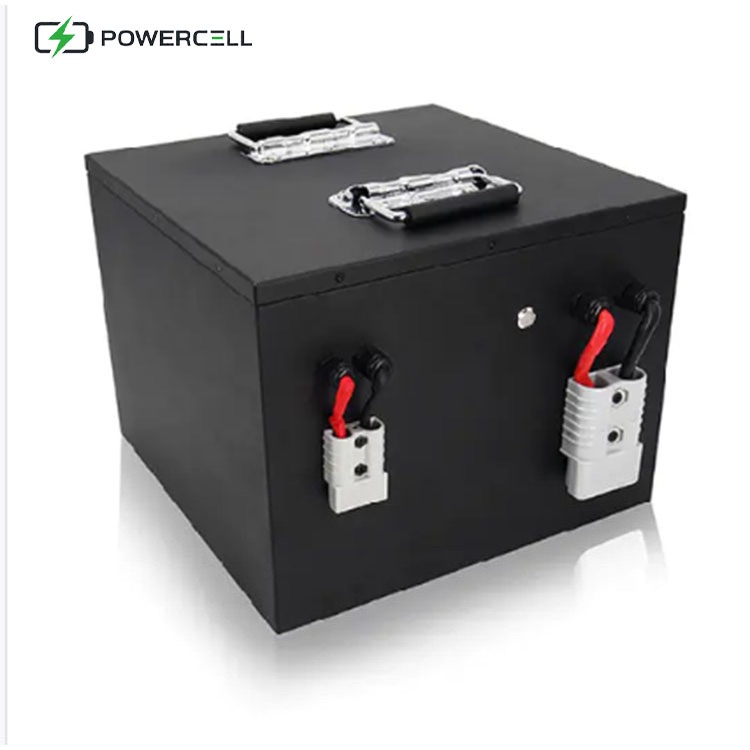
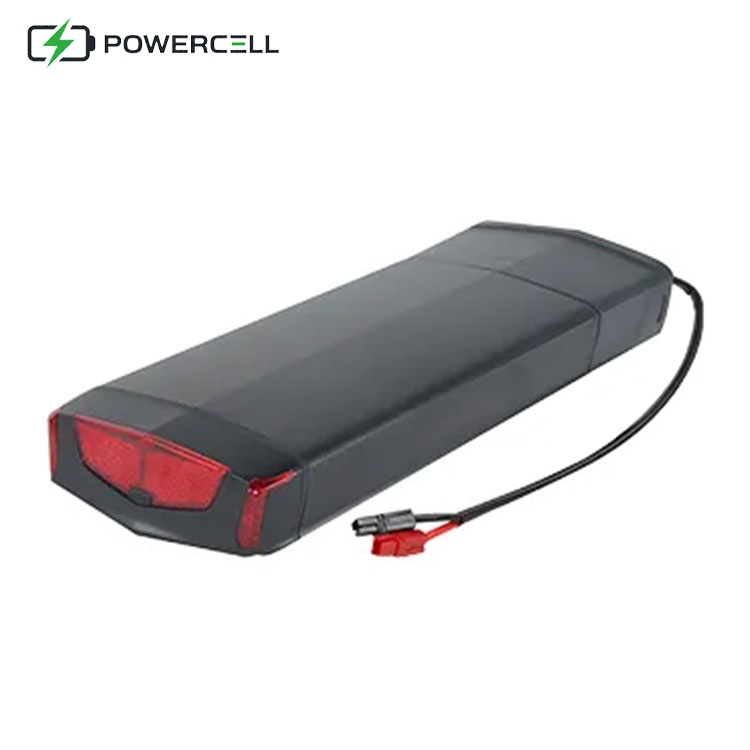
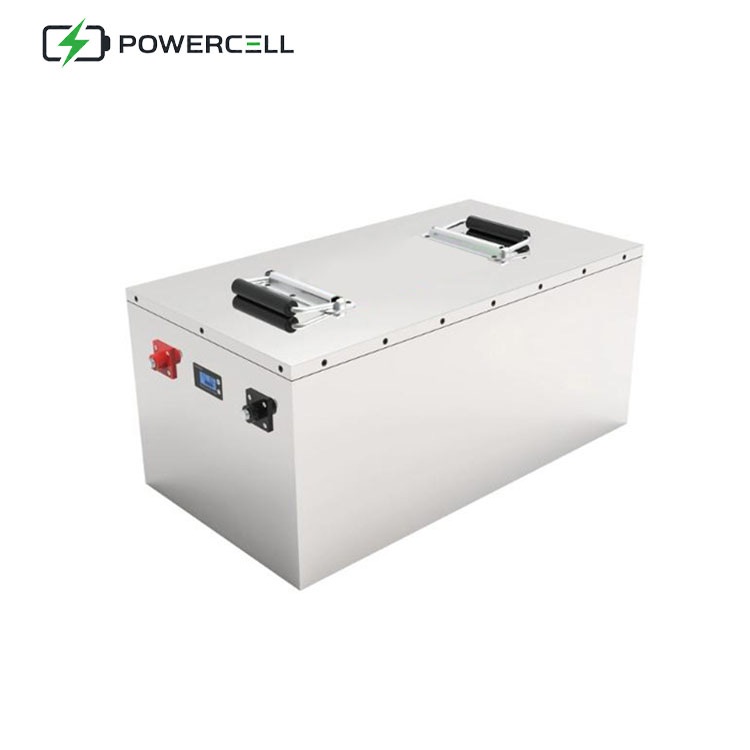
Send us your application, voltage, capacity, battery size, quantity, and branding needs. BYingPower will review your project and recommend the right LiFePO4 battery solution for golf carts, RVs, marine systems, solar storage, forklifts, or lead-acid replacement.
Custom battery pack review for your application
OEM/ODM and private-label battery guidance
BMS, charger, terminals, heating, and packaging support
The 36V Golf Cart Battery Market Has a Truth Problem
Most buyers think they are shopping for a 36V golf cart lithium battery. They are not.
They are shopping for risk.
Margins expose everyone. When a distributor, golf cart dealer, rental fleet operator, or private-label battery brand compares two 36V lithium packs only by amp-hours, they are ignoring the expensive details that decide whether the product survives warranty season, hot-weather charging, hill-climb discharge, and the first angry phone call from a dealer who installed the wrong charger profile. So why do so many OEM pages still lead with a pretty case photo and a lazy “long life” claim?
I’ll say the quiet part: the cheap pack is often cheap because the manufacturer removed engineering from the quotation.
A proper 36V LiFePO4 golf cart battery is not just three 12V lithium batteries pretending to be a system. It should be a matched pack with predictable cell behavior, a BMS rated for real golf cart current, charger compatibility, correct communication options, and documentation that an importer can actually use. CoreSpark’s own 36V 105Ah LiFePO4 golf cart battery is a useful benchmark because it lists a nominal 36V platform, 105Ah capacity, 3,780Wh energy, 40kg pack weight, Grade A prismatic LiFePO4 cells, 200A discharge support, CAN, RS485, Bluetooth monitoring, LCD display, and a 20A waterproof charger.
That is the kind of specification buyers should force into the conversation early.
Why LiFePO4 Is Winning, But Not for the Reason Sales Teams Claim
LiFePO4, chemically written as lithium iron phosphate or LFP, is not magic. It is a trade-off. Compared with many nickel-rich lithium chemistries, LFP usually gives up some energy density, but it earns its place through thermal stability, cycle endurance, lower cobalt exposure, and better fit for cost-sensitive mobility platforms.
That is why the EV world keeps drifting toward LFP. Reuters reported that Renault’s Ampere unit planned to use LFP technology with LG Energy Solution and CATL for several Renault and Alpine models, with LGES supplying 39GWh of LFP pouch-type batteries from Poland through a contract period running from late 2025 to December 31, 2030 in the Reuters report, Renault’s EV unit Ampere teams up with LGES, CATL on battery technology.
Golf carts are not EV sedans. But the same pressure exists: lower cost, safer chemistry, predictable supply, and fewer warranty surprises.
Here is the hard truth: a best 36V lithium battery for golf cart decision is rarely about finding the highest Ah number. A 36V 105Ah pack gives about 3.78kWh. A 36V 160Ah pack gives about 5.76kWh. Useful? Yes. But if the BMS trips on acceleration, the terminals run hot, or the charger floats like an old lead-acid profile, that extra capacity becomes theater.
And bad theater costs money.
For buyers building a private-label or dealer program, the more strategic entry point is CoreSpark’s OEM/ODM LiFePO4 battery service, because that page frames the work correctly: voltage, capacity, BMS, casing, terminals, connectors, communication, heating, charger matching, branding, manuals, datasheets, and certification documentation. That is what a real OEM project looks like.
36V Lead-Acid Replacement Is Where Amateurs Get Exposed
A 36V lead-acid golf cart usually comes from six 6V batteries in series. Simple on paper. Messy in the field.
Lithium changes the operating behavior. The voltage curve is flatter. The usable depth of discharge is different. The pack is lighter. The charger may be wrong. The controller may see different voltage behavior than it expects. The BMS may cut discharge suddenly if the pack is undersized for peak current.
I do not trust any supplier who says, “Drop-in replacement,” and stops talking.
A serious custom golf cart battery pack quote should ask for the cart brand, model, year, controller rating, motor type, tire size, terrain, passenger load, accessory load, charger label, plug type, tray dimensions, target runtime, market certification needs, and order quantity. Boring? Yes. But boring is how profitable battery programs stay alive.
The recycling story also matters. The U.S. EPA says battery lead is a major part of nonferrous metal waste data and estimated that about 99% of battery lead was recycled in 2018 in its Other Nonferrous Metals: Material-Specific Data. That is a real advantage for legacy lead-acid infrastructure. Lithium sellers who pretend lead-acid has no mature recycling channel are not being honest.
But lead-acid still loses badly in day-to-day ownership for many golf cart operators: watering, corrosion, weight, voltage sag, shorter usable life, and slower charging. CoreSpark positions its lead acid replacement batteries around longer life and lower maintenance, which is the right commercial angle. Not “green fantasy.” Maintenance math.
What I Would Demand Before Buying Wholesale 36V Golf Cart Batteries
If I were evaluating a golf cart lithium battery manufacturer for a dealer or distributor program, I would not start with the catalog. I would start with the failure modes.
The CPSC’s 2025 lithium-ion battery safety discussion is a warning to every buyer who thinks a BMS is just a checkbox. In a statement about proposed protections for e-bikes and similar products, the CPSC described battery management systems that stop charging or discharging when temperature, voltage, or current limits are exceeded, plus protections against incompatible chargers and tamper-prone packs in CPSC Advances Proposed Solution to Deadly Lithium-Ion Battery Fires.
Golf carts are a different application, but the lesson transfers cleanly: charger mismatch and weak pack protection are not small details. They are business risks wearing plastic cases.
The Safety Issue Nobody Wants in the Sales Brochure
Lithium is safe when engineered well. Lithium is unforgiving when engineered badly.
No, a 36V golf cart pack is not the same as a high-voltage EV traction battery. But I would never ignore a government safety report just because the vehicle category is different. The physics still matter: cell quality, pack structure, BMS thresholds, charger behavior, heat, abuse, and post-failure energy.
This is why a buyer should push beyond “36V lithium golf cart battery OEM” and ask more uncomfortable questions:
Can the supplier document cell matching?
Can the pack handle peak current without nuisance cut-off?
Is the case resistant enough for vibration, wash-down exposure, and cart compartment heat?
Does Bluetooth monitoring show useful data or just marketing icons?
Does the LCD display help the end user or create another failure point?
Can the supplier support private-label warnings, manuals, QR codes, serial numbers, and warranty tracking?
Small details compound.
How to Choose a 36V Golf Cart Lithium Battery Without Getting Played
Here is my working rule: buy watt-hours, discharge capacity, charger fit, and supplier discipline before you buy brand poetry.
For a 36V golf cart lithium battery, the selection process should look like this:
Confirm the cart platform: Club Car, EZGO, Yamaha, LSV, utility cart, resort cart, or custom mobility platform.
Confirm voltage: old 36V lead-acid systems must not be blindly converted into 48V or 51.2V without controller and charger review.
Calculate energy: 36V × Ah = approximate Wh. A 36V 105Ah pack gives about 3,780Wh.
Check continuous and peak current: hill climbs, heavy riders, larger tires, and accessories punish weak BMS ratings.
Match the charger: a LiFePO4 charger profile is not optional.
Test samples before bulk orders: one good sample does not prove repeatable production.
CoreSpark’s golf cart battery category is useful for internal comparison because it shows several voltage and capacity paths, including 36V, 48V, 51.2V, 72V, 100Ah, 105Ah, 150Ah, 160Ah, and 200Ah-style product positioning. For buyers still comparing system voltage, the 51.2V golf cart battery category also helps frame why some dealers move beyond old 36V platforms when the cart and controller allow it.
But do not upgrade voltage just because it sounds stronger. Wrong voltage is not an upgrade. It is a claim waiting to become a return.
Why OEM Buyers Should Care About Lithium Price Volatility
The battery business is not just chemistry. It is commodities, export documents, production slots, and supplier honesty.
Reuters reported on June 5, 2026 that CME lithium hydroxide had jumped 86% since the start of the year and moved above $20,000 per metric ton for the first time since late 2023 in Lithium bust is over but will battery metal boom again?. That kind of pricing movement matters for OEM buyers because quotes can shift, suppliers may alter component choices, and weak factories may defend margin by quietly downgrading cells, BMS hardware, casing, or charger quality.
This is where I get opinionated: the best supplier is not the one who promises the lowest price. It is the one who explains what is included, what is optional, what can be customized, what must be tested, and what cannot be honestly guaranteed until the application data is reviewed.
A factory-direct quote should separate:
Cell specification
BMS current rating
Charger type and amperage
Communication options
Case material and IP protection
Heating option for cold markets
Display and Bluetooth monitoring
Certification document support
Private-label packaging
Sample cost
Bulk MOQ
Lead time
Warranty terms
Shipping method
For wholesale buyers, CoreSpark’s contact and OEM quote page is the right conversion point because the RFQ process asks for product category, project pricing, technical support, OEM/ODM custom manufacturing, and distributor or dealer partnership details. That is better than forcing buyers through a generic shopping cart.
FAQs
What is a 36V golf cart lithium battery?
A 36V golf cart lithium battery is a rechargeable lithium battery pack designed to replace or upgrade a 36V golf cart power system, usually using LiFePO4 chemistry, integrated BMS protection, matched charging equipment, and enough watt-hour capacity to support daily driving, hill climbing, accessories, and fleet use.
In practice, buyers should compare energy in watt-hours, not only amp-hours. A 36V 105Ah pack offers about 3,780Wh, while a larger 36V 160Ah pack offers about 5,760Wh before real-world losses. Terrain, tire size, rider weight, controller demand, and accessory load will change actual range.
Is a 36V LiFePO4 golf cart battery better than lead-acid?
A 36V LiFePO4 golf cart battery is often better than lead-acid for runtime stability, weight reduction, charging efficiency, maintenance reduction, and cycle life, but it must be correctly matched to the cart, controller, charger, current demand, temperature range, and physical battery compartment.
Lead-acid can still win on upfront cost and mature recycling infrastructure. Lithium wins when the buyer values lower maintenance, fewer replacements, lighter weight, and more stable voltage. The mistake is treating lithium as a casual swap. A professional conversion checks voltage, BMS rating, charger profile, cable condition, fuse sizing, and fitment.
How do I choose the best 36V lithium battery for a golf cart?
The best 36V lithium battery for a golf cart is the pack that correctly matches the cart voltage, required watt-hours, peak discharge current, charger profile, compartment size, communication needs, documentation requirements, and warranty expectations, rather than the pack with the biggest advertised Ah number.
Start with the cart model and old battery setup. Then calculate energy demand, verify controller draw, choose a BMS rating with margin, confirm charger compatibility, and require a sample test before wholesale ordering. For OEM programs, request serial tracking, private-label support, user manuals, transport documents, and pre-shipment inspection.
What should OEM buyers ask a golf cart lithium battery manufacturer?
OEM buyers should ask a golf cart lithium battery manufacturer for cell type, pack voltage, tested capacity, BMS rating, charger specification, communication protocol, casing design, terminal layout, operating temperature, cycle-life claim basis, certification support, sample lead time, bulk lead time, warranty terms, and private-label options.
Weak suppliers hide behind general claims. Strong suppliers ask about the application before quoting. For 36V golf cart programs, buyers should also provide cart model, old battery setup, charger photos, controller rating, market destination, expected quantity, packaging needs, and after-sales requirements.
Can I buy wholesale 36V golf cart batteries with private labeling?
Wholesale 36V golf cart batteries can be private labeled when the manufacturer supports OEM branding, logo labels, carton design, manuals, datasheets, warranty cards, serial number control, and repeatable production quality, but buyers should confirm documentation, minimum order quantity, sample testing, and packaging details before placing bulk orders.
Private label is not just a sticker. It creates after-sales responsibility. If the BMS setting, charger label, warning language, or installation manual is wrong, the buyer owns the market problem. That is why OEM/ODM review matters before launching a dealer-facing lithium golf cart battery line.
Your Next Steps
Do not send a supplier the sentence, “I need a 36V golf cart lithium battery.”
Send a real RFQ.
Include voltage, target capacity, cart model, controller rating, charger label, plug photos, battery tray dimensions, expected runtime, market country, order quantity, private-label requirements, certification needs, and warranty expectations. Then ask for a written recommendation covering BMS rating, charger matching, documentation, sample testing, and lead time.
If you are building a dealer, distributor, or private-label program, start with CoreSpark’s OEM/ODM LiFePO4 battery service and request a technical review before bulk pricing. The lowest quote can win a spreadsheet. The right 36V LiFePO4 golf cart battery wins repeat orders.
Newsletter Updates
Enter your email address below and subscribe to our newsletter
CoreSpark Battery provides OEM, wholesale and custom LiFePO4 battery packs for golf carts, RVs, forklifts, solar storage, marine power and lead-acid replacement. We support battery brands, distributors, dealers and OEM buyers with reliable lithium power solutions, smart BMS options, private-label service and export-ready documentation.